Exploring Gochujang Pasta and Butter: A Korean Fusion Trend
Discover how to make gochujang pasta and butter, explore its popularity, and learn tips for perfecting this unique Korean fusion dish.
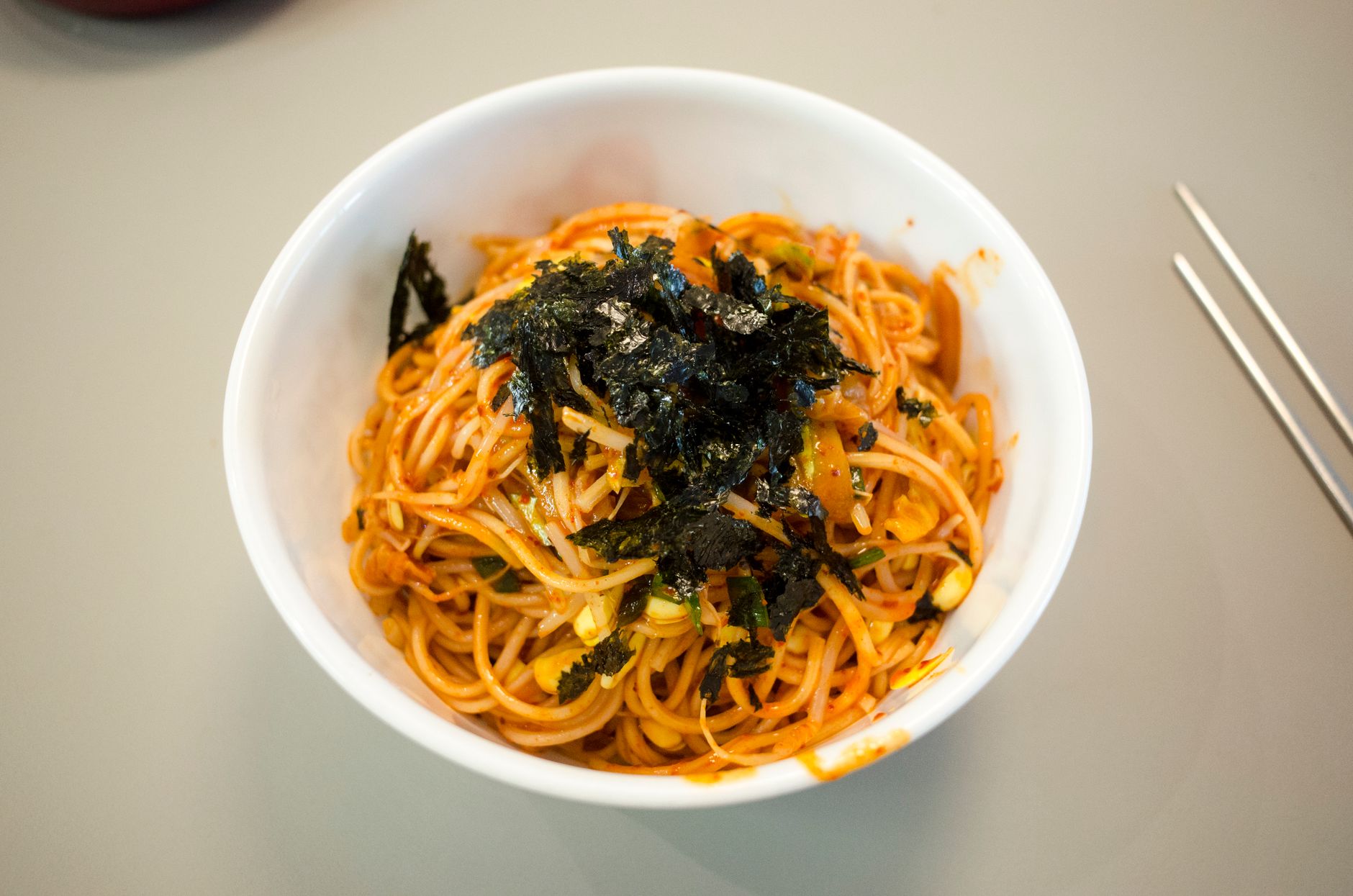
If you've walked through the streets of Yeonnam-dong or Seongsu-dong, you may have noticed restaurants popping up that serve dishes like gochujang pasta and gochujang butter. These unique Korean fusion creations are on the rise, captivating adventurous eaters and locals alike with their balancing act of heat and richness.
What You Need to Know About Gochujang
Gochujang is a fermented Korean chili paste known for its distinct sweet and spicy flavour. Made from red chili powder, glutinous rice, fermented soybeans, and salt, it serves as a base for many traditional Korean dishes, including bibimbap and stews. Recently, however, chefs and home cooks are experimenting with it in unexpected ways, paving the way for dishes like gochujang pasta and gochujang butter.
In recent years, gochujang has been making its way into other cuisines, blending seamlessly with ingredients that might typically be considered Italian or Western. This adaptability is a testament to Korean cuisine's rising global influence, where traditional flavours are transformed to suit different palates.
Why Gochujang Pasta and Butter?
This trend deserves attention for several reasons. First, it showcases how traditional ingredients can be incorporated into modern recipes without losing their essence. Second, the combination of gochujang with pasta or butter brings out new flavours that can elevate simple dishes into something memorable. The heat from the gochujang complements the richness of pasta and butter in a way that few other ingredients can.
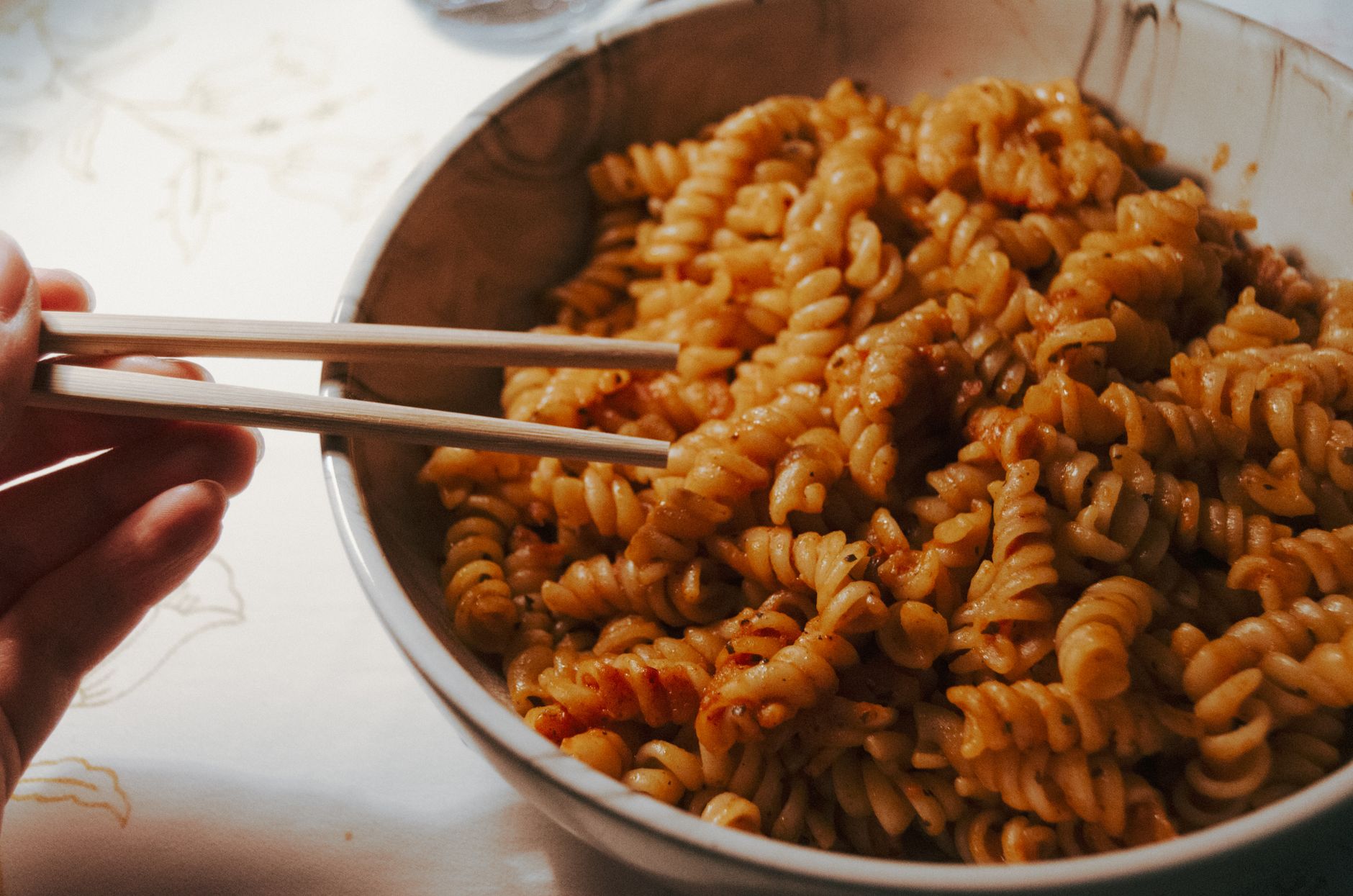
Making Gochujang Pasta
Creating gochujang pasta is straightforward, and the ingredient list is short. Here’s a simple guide to get you started:
Ingredients
- Spaghetti or your choice of pasta (about 200 grams, roughly 1,000 won or $0.75)
- 2 tablespoons gochujang (approximately 1,000 won or $0.75)
- 1 tablespoon sesame oil
- 1 tablespoon soy sauce
- 1 tablespoon honey or sugar (to taste)
- 2 cloves garlic, minced
- Fresh vegetables (like bell peppers or spinach)
- Sesame seeds and green onions for garnish
Instructions
- Cook the pasta according to the package instructions, making sure it is al dente.
- In a pan, heat sesame oil and sauté minced garlic until fragrant, which should take about 30 seconds.
- Add the gochujang, soy sauce, and honey, stirring well to combine until you achieve a smooth sauce.
- Mix in your choice of vegetables, such as bell peppers and spinach, cooking until they are tender but still vibrant, around 3-4 minutes.
- Drain the pasta and add it to the pan, tossing everything together to coat. Let it simmer for another minute for the flavours to meld.
- Garnish with sesame seeds and green onions before serving.
Exploring Gochujang Butter
Gochujang butter is another delightful fusion you should consider. It combines the creamy richness of butter with the spicy kick of gochujang, making it an excellent addition to various dishes, from grilled meats to vegetables.
How to Prepare Gochujang Butter
- 1 stick of unsalted butter, softened (1,500 won or $1.20)
- 2 tablespoons gochujang
- 1 teaspoon honey or maple syrup
- 1 tablespoon lime juice (optional)
- Salt, to taste
Instructions
- In a bowl, combine the softened butter, gochujang, honey, and lime juice.
- Mix until fully incorporated and smooth, using a spatula to ensure even distribution.
- Season with salt to taste, adjusting as needed based on your preference.
- Transfer to a container and refrigerate until firm, allowing the flavours to meld together.
This gochujang butter can be used in various ways—spread on toast, melted over grilled steak, or tossed with roasted vegetables for an extraordinary flavour boost.
What’s Good About These Dishes?
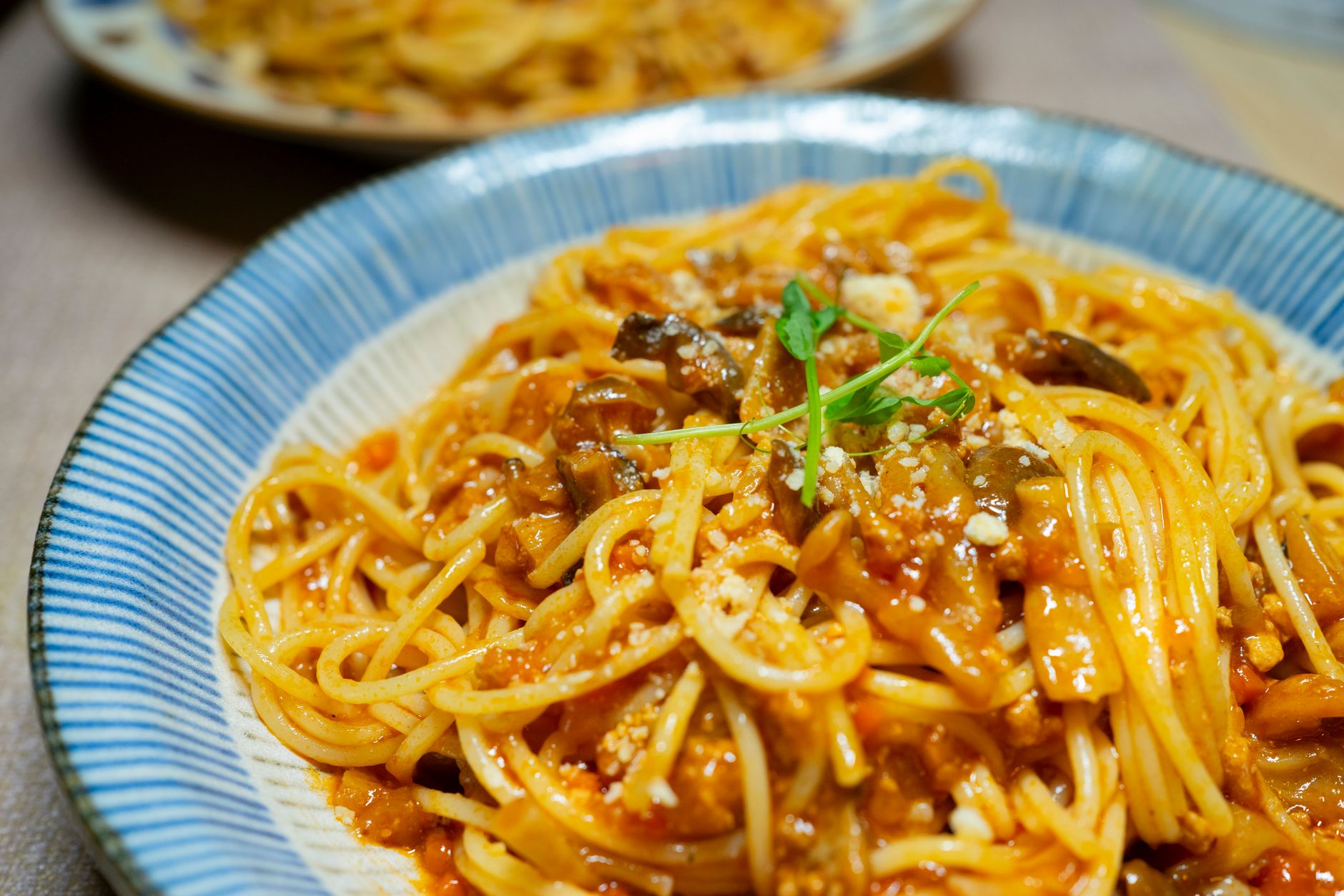
One of the main advantages of gochujang pasta and butter is their versatility. Whether you're cooking for yourself or entertaining guests, these dishes deliver a unique twist that is sure to impress. The balance of spicy, sweet, and savoury flavours provides a fresh experience compared to conventional pasta sauces and spreads.
In addition to taste, these dishes are quite practical. Both recipes allow for customization, so you can add proteins like chicken, shrimp, or tofu, as well as seasonal vegetables. This adaptability makes them suitable for various diets and preferences.
What to Watch Out For
Despite their appeal, there are a few things to consider. Gochujang can be quite potent, so it's important to adjust the quantity according to your spice tolerance. Some brands may have differing levels of heat, so it’s worth sampling a few to find your preference.
Additionally, while the fusion aspect is exciting, not every combination of ingredients might work well. It's essential to approach these dishes with a sense of experimentation. For instance, I’ve tried adding too many ingredients at once, which muddled the overall flavour. A light hand on the seasoning often yields better results.
Who Should Skip This Trend?
If you prefer classic Italian pasta dishes or are not a fan of spicy foods, this trend may not resonate with you. Additionally, those with dietary restrictions related to gluten or soy should carefully consider the ingredients used. It’s always best to adapt recipes to suit personal needs rather than force them into a diet that may not accommodate them well.
Alternative Recipes to Consider
If the idea of gochujang pasta or butter doesn't sound appealing, there are plenty of other ways to incorporate Korean flavours into your cooking:
- Bibimbap: A rice dish topped with a variety of vegetables and meat, dressed with gochujang. The colours and textures can be a feast for the eyes.
- Korean Fried Chicken: Coated in a sweet and spicy gochujang sauce. The crunch and flavour are undeniably satisfying, especially when paired with pickled radish.
- Kimchi Fried Rice: A classic Korean dish that's comforting and easy to make. Adding gochujang can provide an extra layer of flavour.
Where to Find Ingredients in Seoul
In Seoul, you can find gochujang at nearly any grocery store, including Lotte Mart or E-Mart, usually priced around 3,000 won ($2.25) for a decent-sized tub. Specialty shops in Itaewon offer premium varieties, while local markets may provide artisanal options. I often find myself in the bustling alleys of Gwangjang Market, where vendors sell homemade gochujang that brings a unique taste to the table.
For the pasta, you can visit foreign grocery stores like H Mart or even larger supermarkets like Homeplus, where a variety of gluten-free or artisan pastas are available, often starting at around 2,000 won ($1.50) for a 500-gram pack.
Real-Life Examples and Quality Comparisons
One of my personal experiences with gochujang pasta was at a small eatery in Seongsu-dong called "The Spicy Kitchen". They serve a version that includes shrimp and seasonal vegetables, all tossed in a creamy gochujang sauce. Priced at 12,000 won ($9), it was a delightful fusion that balanced spice and creaminess without overwhelming the palate. It's worth noting that the quality of gochujang can vary significantly between brands and locations.
When experimenting at home, I found that the gochujang from the Sempio brand provided a well-rounded flavour, while others I tried from lesser-known brands came off too salty or sweet. A local shop in Itaewon sells their homemade gochujang, which is rich and complex in taste, elevating any dish you use it in.
For the butter, I recommend using European-style butters, which tend to have a higher fat content and creamier texture. Brands like Lescure or Plugra (around 6,000 won or $4.50 for 250 grams) worked wonderfully in my recipes, providing a luxurious mouthfeel that complements the heat of the gochujang.
Conclusion
Gochujang pasta and butter demonstrate the evolving landscape of Korean cuisine, where traditional elements meet modern interpretations. These trendy dishes not only showcase the rich flavours of gochujang but also invite creativity into your cooking. Whether you are in a bustling district like Gangnam or exploring the quieter streets of Itaewon, the chances of finding a restaurant or shop that resonates with these fusion ideas is ever-increasing.
Next, I’ll be exploring the growing popularity of Korean-style brunch spots in Seoul and what you can expect from them.