Korean Salt Bread Sogeumppang: Why It's Everywhere and How to Make It
Discover why Korean salt bread sogeumppang is everywhere and learn how to make it at home with our detailed guide. Taste the trend for yourself.
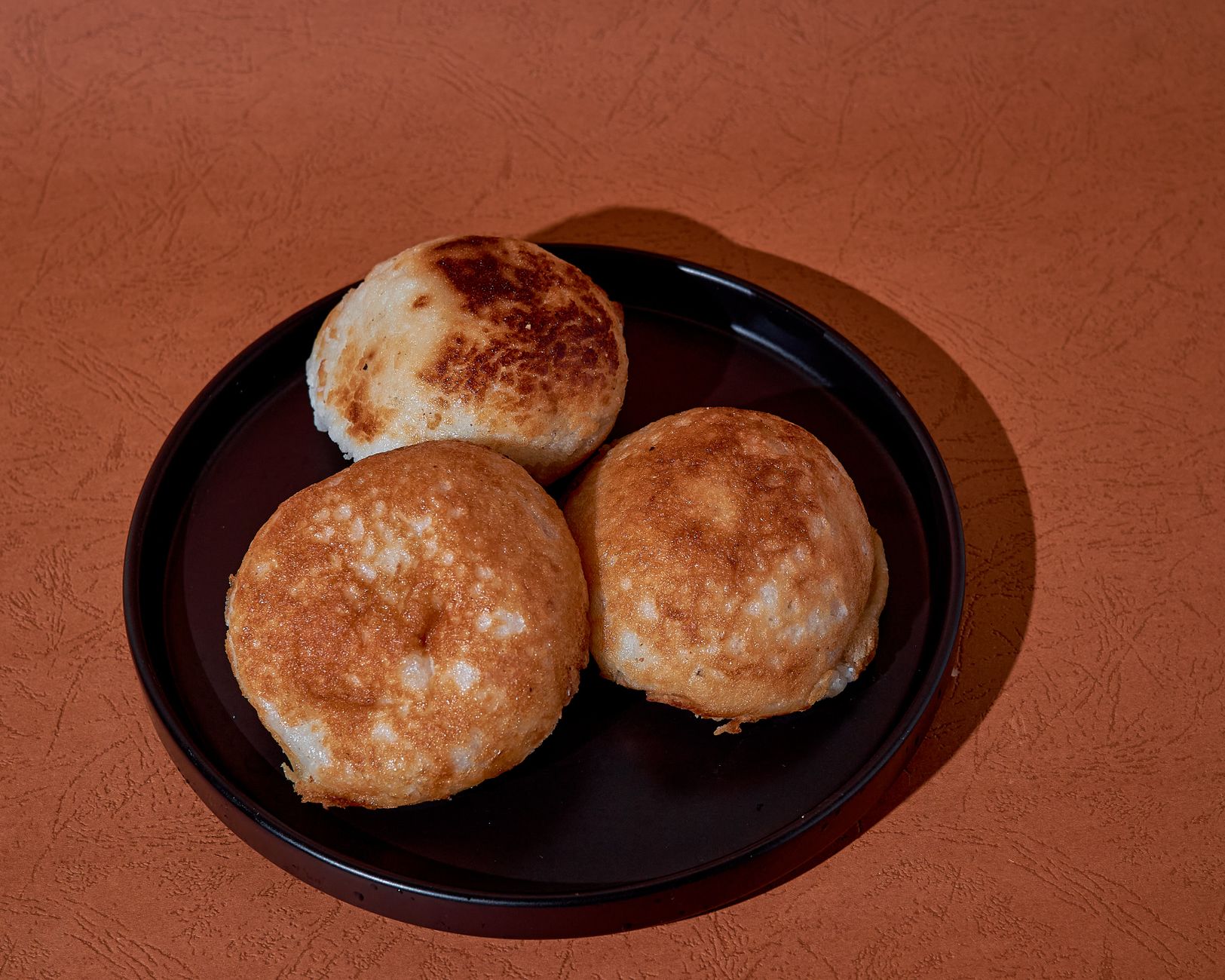
On a recent stroll through Yeonnam-dong, I noticed something curious: salt bread, or sogeumppang, is seemingly everywhere. From trendy bakeries to convenience stores, the fluffy, buttery rolls have become a staple snack for locals and visitors alike. The first time I tried sogeumppang was at Dore Dore, a bakery just a short walk from the lively Hongdae area. Unassuming in appearance but so enticing that I saw several passersby stop to pick one up, it was hard to resist. With its golden crust and white fluffy insides, it’s a perfect example of why this bread has captured the hearts of many.
What Is Sogeumppang?
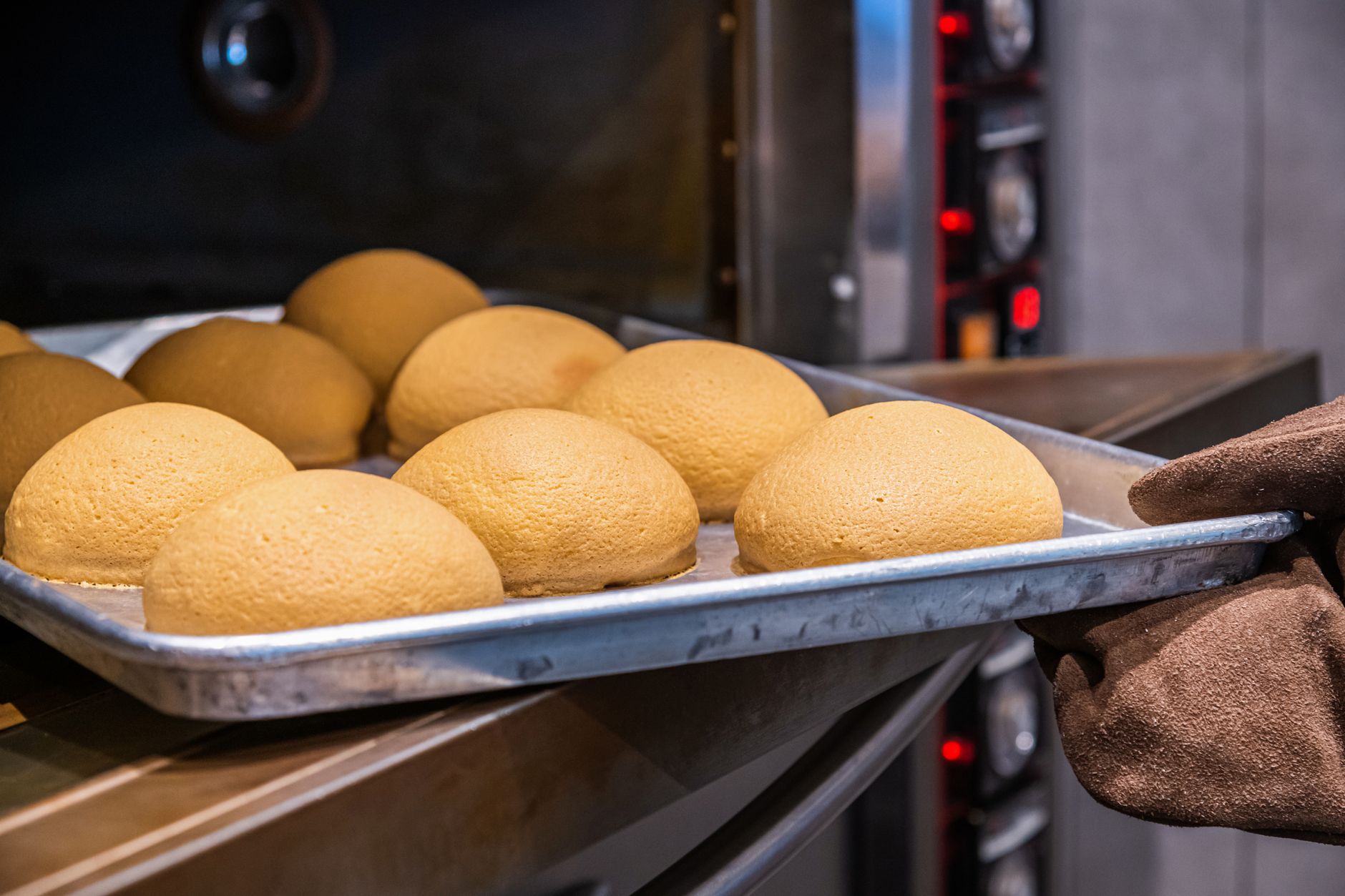
Sogeumppang, which translates literally to 'salt bread', is a soft, fluffy bun commonly topped with a generous sprinkling of coarse sea salt. Its appeal lies in the delightful contrast between the slight sweetness of the bread and the savoury saltiness. The standard version might cost around 2,500 won ($2) in Seoul, but the real treat comes with variants that incorporate ingredients like cream cheese or chocolate. I tested several locations to find the best ones, and I’ll share my favourites later in this article.
Why Is Sogeumppang So Popular?
The sudden proliferation of sogeumppang can be attributed to several factors:
- Accessibility: Bakeries across Seoul, from upscale spots like The Baker to local convenience stores, have made sogeumppang easily available. It’s an affordable snack that many can enjoy on the go. During my recent visits to Itaewon, I saw numerous stands selling sogeumppang for as little as 1,800 won ($1.50), making it a tempting choice for a quick bite.
- Social Media: With Instagram being a cultural phenomenon here, the aesthetic appeal of sogeumppang has made it a favourite for food bloggers and influencers. The cute and rustic look of these buns is often shared, effectively pushing them further into the limelight. A simple search reveals countless posts, and I found myself scrolling through pictures on my phone during a boring subway ride.
- Simplicity: The bread’s straightforward recipe and comforting flavours resonate with many, especially during colder months. Its nostalgic taste often reminds locals of family gatherings or simple pleasures. To me, it’s reminiscent of homemade rolls my grandmother would bake during the holidays, which adds a sentimental aspect to its mass appeal.
- Variety: Some shops are also starting to experiment with variations, offering fillings such as sweet red bean paste or custard cream, which keeps the trend fresh. My visit to Gonggan Bakery in Seongsu-dong introduced me to their version filled with cream cheese, topped with additional herbs for a savoury twist. It was a delightful surprise.
How to Make Sogeumppang at Home
If you’re interested in trying your hand at making sogeumppang, here’s a simple guide to get you started. The process is quite straightforward, though it does require some time for the dough to rise. My first attempt happened one rainy afternoon at my small kitchen in Itaewon. I felt slightly overwhelmed but was pleasantly surprised at the outcome, which turned out to be a fun project.
Ingredients
- 2 cups (240g) all-purpose flour
- 1 tsp salt
- 1/2 cup (120ml) warm milk
- 1/4 cup (50g) sugar
- 1 tsp active dry yeast
- 1/4 cup (60g) unsalted butter, softened
- Coarse sea salt for topping
Steps to Prepare
- In a bowl, mix warm milk, sugar, and yeast. Let it sit for about 5-10 minutes until frothy. I like to use a glass bowl so I can see the yeast activating, which adds a sense of accomplishment.
- Add flour and salt to the mixture, then knead until smooth. This is the most crucial part; while kneading, I often play some music to keep the energy up. You should aim for about 8-10 minutes of kneading, ensuring the dough becomes elastic.
- Incorporate softened butter and continue kneading for another 5-10 minutes. The dough should feel soft and slightly sticky. Don’t be afraid to add a touch more flour if it feels too wet, but be careful not to overdo it.
- Place the dough in a greased bowl, cover with a damp cloth, and let it rise in a warm place for 1-2 hours or until doubled in size. I usually place mine near a window where it's warm but not hot. If you have a proofing setting on your oven, that’s even better.
- Once risen, punch down the dough and divide it into portions. Shape them into balls and place on a baking tray lined with parchment paper. I like to use my hands for shaping, but you can also use a rolling pin if you prefer.
- Preheat the oven to 180°C (350°F). Allow the shaped dough to rest for about 30 minutes. This second rise helps achieve a fluffier texture. You might want to do a quick clean-up or prep other items while you wait.
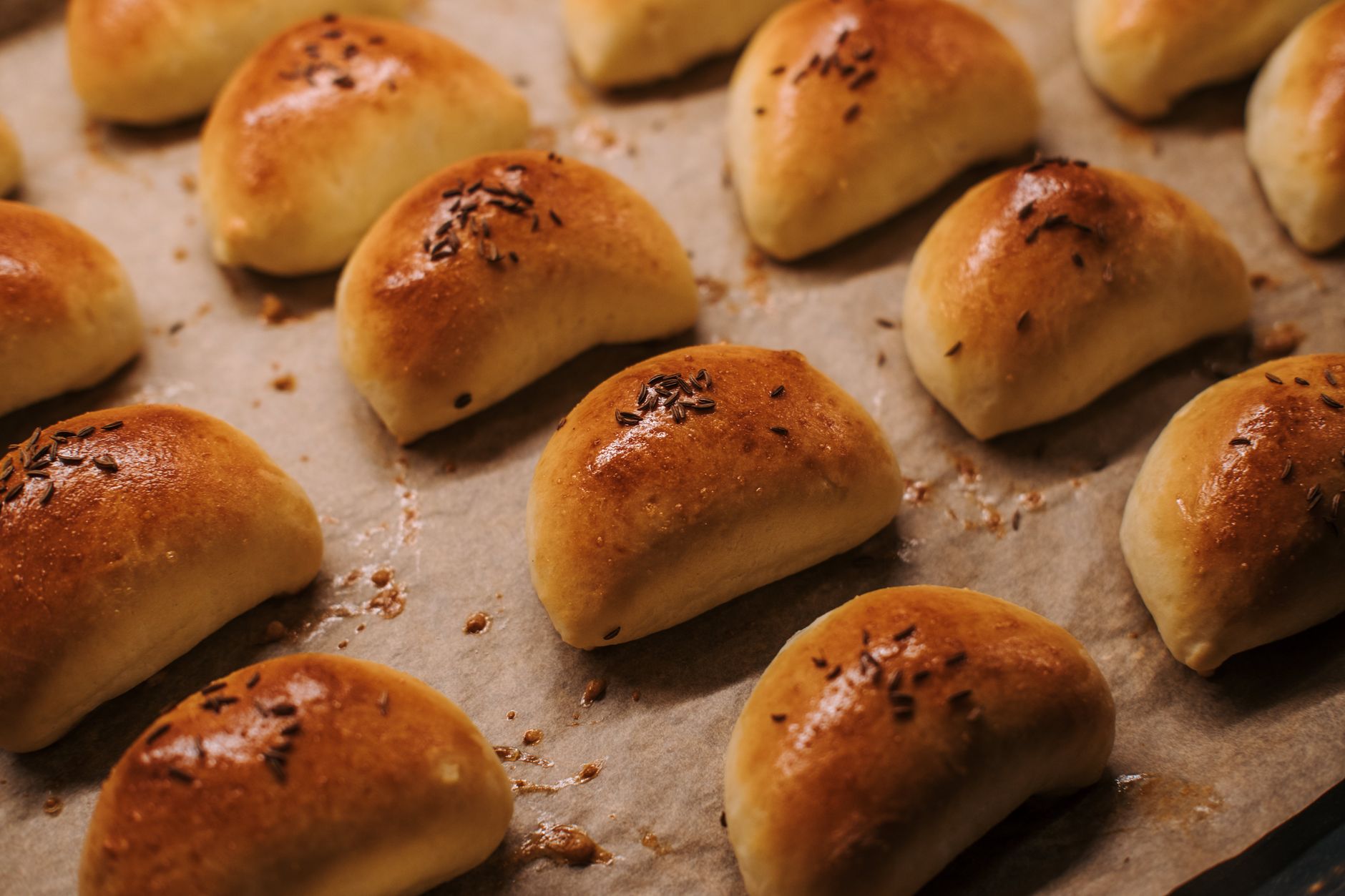
- Sprinkle coarse sea salt on top and bake for 15-20 minutes until golden brown. The aroma will fill your kitchen and have everyone nearby wondering what deliciousness you’re making.
Common Mistakes to Avoid
Many home bakers stumble at various points in the process. Here are some of the most common pitfalls to watch out for:
- Not letting the dough rise enough: This is crucial for achieving that fluffy texture. Patience is key here. If you're in a hurry, you might be tempted to skip this step, but it will result in dense bread.
- Using too much salt: While the saltiness is part of its charm, too much can overpower the bread's flavour. A light touch is all that’s needed. I usually taste a pinch of the salt I plan to use to gauge how strong it is before sprinkling it on.
- Skipping the butter: Butter contributes to the softness and richness that makes sogeumppang so enjoyable. If you want a healthier version, consider using a lower-fat spread instead, but it won't be quite the same. The richness adds to the overall experience of eating this bread.
Where to Buy Sogeumppang in Seoul
If you’d prefer to sample sogeumppang from the experts before attempting to bake your own, here are some of my recommended spots across Seoul:
- Le Pain de Joël Robuchon in Gangnam: Known for its high-quality breads, their version of sogeumppang is rich and buttery, priced at around 3,500 won ($3). The atmosphere is upscale yet cozy, making it perfect for brunch.
- Gonggan Bakery in Seongsu-dong: A hip spot that’s popular among locals, their sogeumppang is always fresh and generously salted, costing around 2,800 won ($2.30). The industrial vibe of the area complements the unique flavours they offer.
- Paris Baguette: This well-known chain bakery provides a quick and easy option, with a standard sogeumppang available for around 2,500 won ($2) — perfect for a grab-and-go snack. It’s everywhere, so you’re never far from a convenient location.
- Hollys Coffee: While primarily known for coffee, they also serve a delightful sogeumppang that pairs perfectly with their beverages. Expect to pay around 2,500 won ($2) here as well.
The Cost and Time Involved
Making sogeumppang is relatively inexpensive compared to the prices you might encounter at bakeries. The total cost for the ingredients can range around 10,000 won ($8) or less, depending on what you already have at home. You might also want to stock up on a few baking staples if you’re new to bread-making. A quick trip to H Mart or Emart can help you find most of what you need at reasonable prices.
The entire process takes approximately 3 hours, including rising and baking time. While it requires some waiting, the process is quite therapeutic, and you will feel a sense of accomplishment as the dough transforms into beautiful little breads. I often find myself using the waiting time to explore new music or catch up on a drama.
Honest Reflections on the Trend
While sogeumppang has exploded in popularity, I find it important to question the validity of trends. Yes, it’s delicious, but is it worth the hype? Personally, I think sogeumppang is a delightful snack that captures the essence of Korean comfort food without the fuss. However, do I think every new bakery on the block should jump on the bandwagon? Not necessarily.
In a city like Seoul, where food trends come and go rapidly, it’s easy to get swept up in the latest craze. Some of the sogeumppang variations I’ve tried, like those filled with over-the-top ingredients, missed the mark for me. For example, I once tried a sogeumppang that had layers of caramel and chocolate. It was far too sweet, overshadowing the original appeal of the salted bread. I prefer the classic style, where the balance between sweet and salty is preserved.
What’s Next in the Sogeumppang Trend?
As I continue to observe the food scene in Seoul, I can’t help but wonder how sogeumppang might evolve. Will we see more fusion flavours or perhaps a return to traditional versions? Bakeries are known for their ability to innovate, and I’m curious to see what will emerge next.
In the meantime, I encourage anyone who hasn’t tried making sogeumppang at home to give it a shot. It’s a rewarding experience that not only fills your kitchen with a delightful aroma but also offers a comforting treat to share with friends and family.
Next time, I’ll be looking at the unexpected history of Korean street food. Stay tuned!
Photos by Tochukwu Ekeh, Ahmed Sicobo, Anete Lusina via Pexels