Real Korean Breakfast: What Locals Actually Eat in 2026
Explore traditional and modern breakfast options in Seoul that locals enjoy daily. Discover what makes Korean breakfast unique and satisfying.
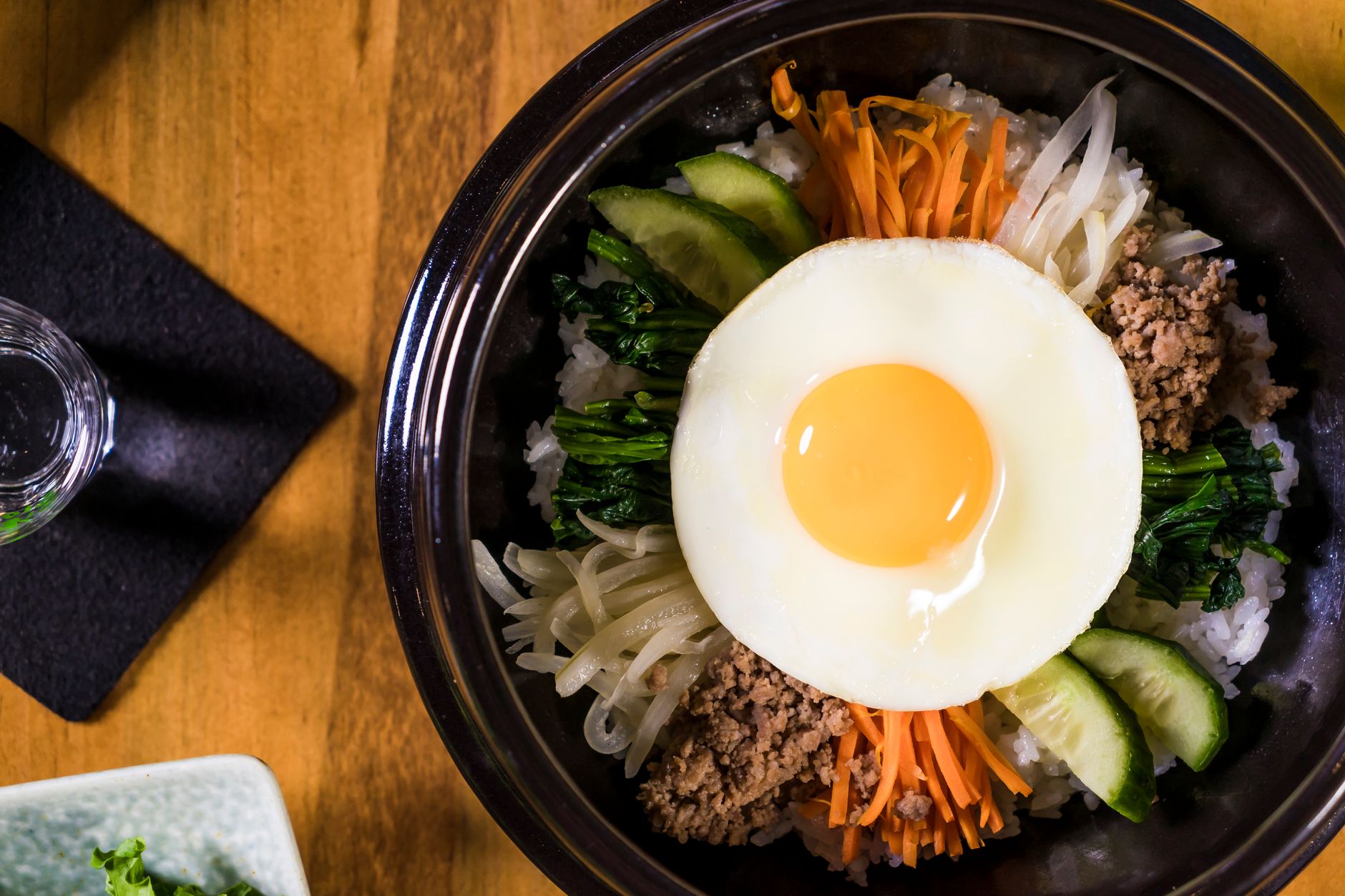
Walking through the bustling streets of Gangnam in the early morning, the aroma of grilled fish and seasoned vegetables wafts through the air. Locals are gathering at small eateries ready to kickstart their day with hearty breakfasts that often go underestimated by those unfamiliar with Korean culture. In 2026, what does a typical breakfast look like for Seoul residents? This guide explores some of the genuine breakfast options that will help you understand the local palate.
Traditional Breakfast Staples
When thinking of a Korean breakfast, one might conjure images of rice and side dishes (반찬, banchan). While Western breakfasts are often sweet, Korean mornings lean towards savoury. Here are the traditional staples:
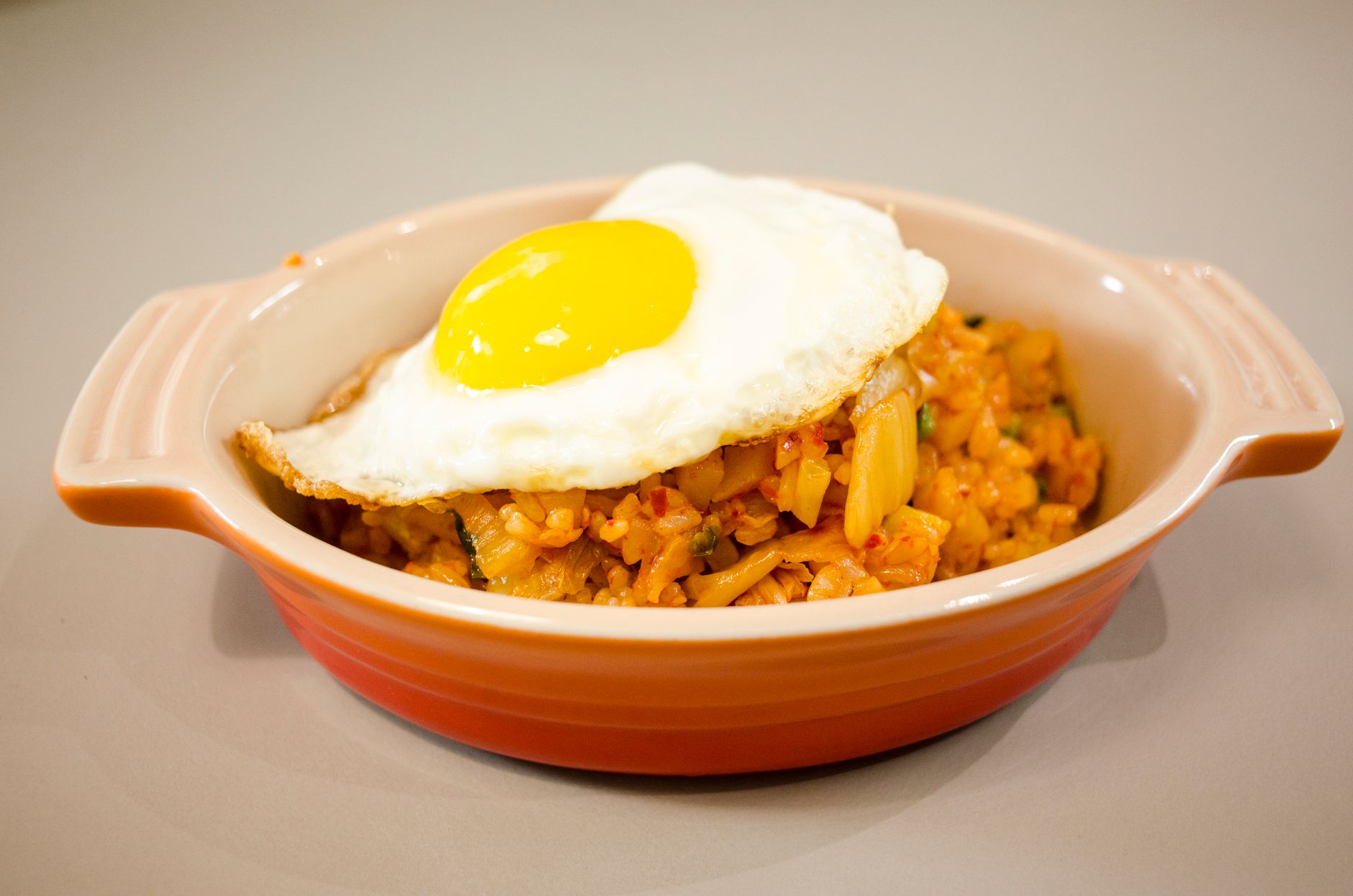
- Kimchi Jjigae (김치찌개) - A robust kimchi stew often served with rice. One of the best places to enjoy this is at Gogung near Jongno, where a serving costs around 7,000 won ($5.30). The depth of flavour and the warmth it provides make it a favourite during cold mornings. This dish is typically prepared using aged kimchi, which enhances its flavour and serves as a comforting start to the day.
- Rice Porridge (죽, juk) - Porridge made from different grains, including rice or millet, can be found in many restaurants, especially during the colder months. Expect to pay around 8,000 won ($6.00) at Juk Story in Itaewon, where they serve a variety of flavours like abalone and pumpkin. This dish is cherished for its smooth texture and digestibility, making it a go-to for those feeling under the weather.
- Grilled Fish (생선구이) - A simple but nourishing option. At Yeongdeungpo Fish Market, you can find freshly grilled mackerel accompanied by rice and side dishes for about 10,000 won ($7.60). The experience of choosing your fish and watching it cook is worth the visit. This method of cooking preserves the natural flavours, and the smoky aroma is a morning delight.
- Tofu Stew (순두부찌개) - A spicy, silken tofu stew that many enjoy for breakfast. Wangbijib in Gangnam has excellent options for around 8,000 won ($6.00), accompanied by a bowl of rice and assorted banchan. The stew is rich in protein and often includes seafood or vegetables, providing a wholesome meal.
Modern Takes on Breakfast
While traditional dishes remain popular, the breakfast scene in Seoul has evolved, with many cafes and restaurants offering modern twists. Here are some noteworthy trends:
- Brunch Bowls - Fusion bowls combining elements like avocado, eggs, and grains are gaining traction in areas like Yeonnam-dong. At Cafe Mamas, you can get a breakfast bowl topped with smoked salmon and fresh vegetables for about 13,000 won ($9.90). The artful presentation adds to the experience. This trend reflects a shift towards incorporating more health-conscious ingredients without sacrificing flavour.
- Breakfast Sandwiches - Cafes in Itaewon serve up hearty breakfast sandwiches filled with bacon, eggs, and kimchi. Try Butterfinger Pancakes for a satisfying option at around 8,000 won ($6.00), which also pairs well with their famous maple syrup. The blend of familiar ingredients with local flavours offers a unique morning experience.
- Specialty Coffees - Locals often pair breakfast with artisanal coffee from nearby roasteries. A quality cup at Yri Coffee in Seongsu-dong can set you back around 4,000 won ($3.00). Their focus on single-origin beans elevates the morning routine, and it’s not uncommon for customers to linger over their coffee while enjoying a light pastry.
Comparing Breakfast Options
The variety of breakfast dishes in Korea can leave newcomers overwhelmed. Here’s a straightforward comparison of the traditional and modern options:
- Traditional vs. Modern:
- Kimchi Jjigae is hearty and rich in history, being a staple for many Korean families. It’s perfect for those seeking a filling meal, especially in winter months.
- Brunch Bowls offer a contemporary twist but may cater more to an aesthetic than substance. They are a good choice for those looking for lighter, fresh options, but may not provide the same level of warmth and satisfaction found in traditional dishes.
- Price Points:
- Traditional dishes typically range from 7,000 won ($5.30) to 10,000 won ($7.60), making them affordable for most budgets.
- Modern options can be pricier, starting from 8,000 won ($6.00) to 13,000 won ($9.90), especially in trendy areas like Yeonnam-dong, where the atmosphere is part of the experience.
- Health Considerations:
- Traditional meals, rich in fermented foods like kimchi, provide probiotics beneficial for digestion and overall health.
- Modern brunch bowls might focus more on nutritional balance with fresh ingredients, incorporating elements like quinoa and avocado, but could lack the same depth of flavour found in traditional dishes.
Understanding the Breakfast Culture
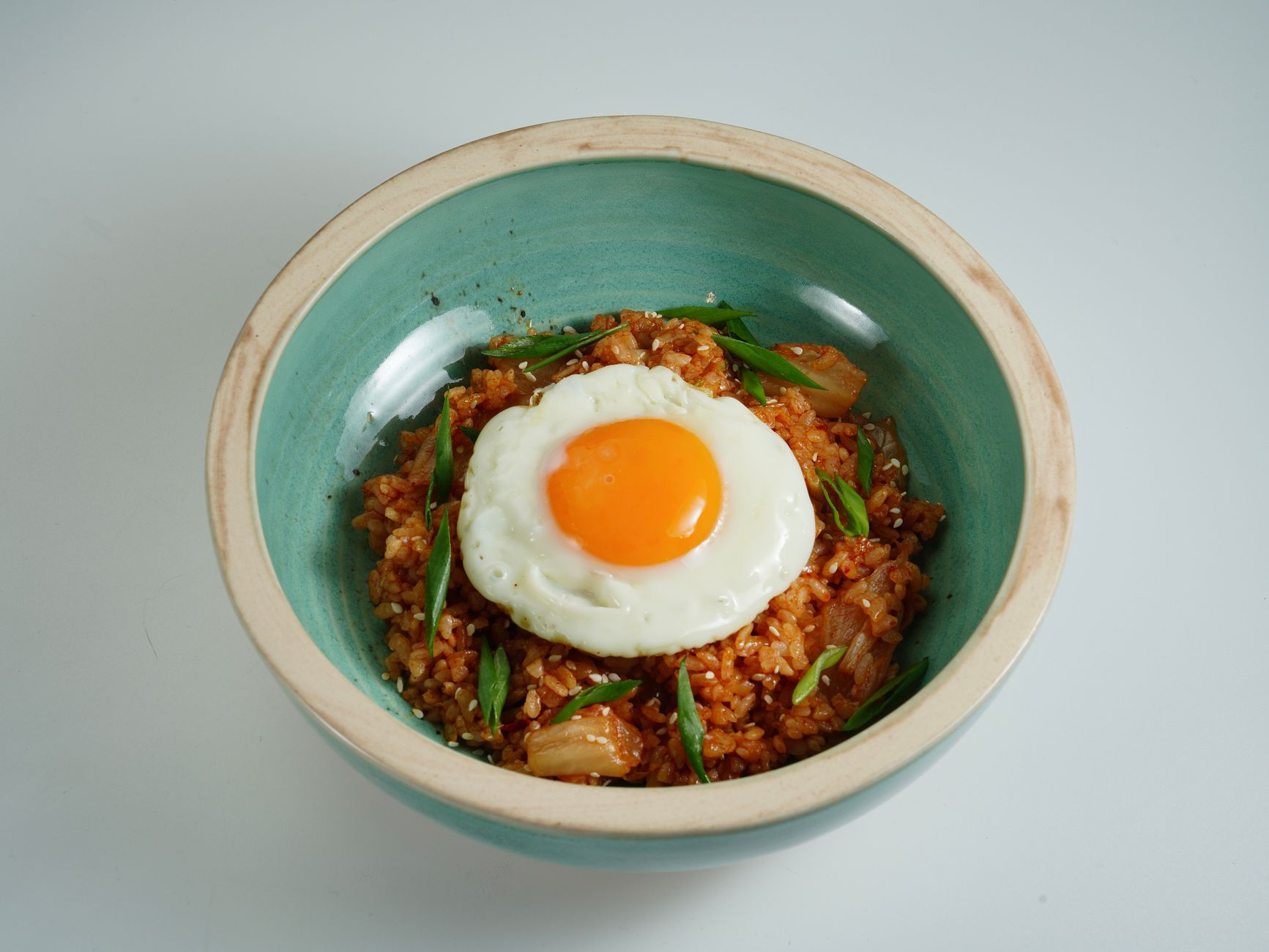
The idea of breakfast in Korea is not just about food; it’s a social affair. Many people meet friends or family over breakfast, making it an important time of day. Breakfast is often enjoyed more leisurely compared to the rushed mornings seen in many Western cultures. Moreover, the concept of what constitutes breakfast can be quite flexible. For instance, jjigae (stews) are popular throughout the day, not just breakfast.
In some households, breakfast might even resemble a full lunch or dinner, with multiple side dishes and rice making an appearance. This practice highlights the importance of community and sharing meals in Korean culture.
Common Misunderstandings
Some may assume that Korean breakfast is consistently focused on rice and side dishes, but that's changing. Younger generations are shifting towards quicker, more international options. However, you will still find a substantial number of locals enjoying traditional dishes daily, especially in more traditional neighbourhoods. In fact, on weekends, restaurants in places like Jongno can be packed with families enjoying a leisurely breakfast of double servings of kimchi jjigae and grilled fish.
Additionally, the increasing popularity of brunch-style dining indicates that many enjoy a variety of breakfast experiences. Cafes in areas like Yeonnam-dong and Itaewon are now filled with both locals and tourists eager to try the latest breakfast trends.
Where to Eat in Seoul
The diversity of breakfast options in Seoul can be overwhelming. Here’s a shortlist of some noteworthy neighbourhoods and spots you might consider:
- Gangnam: Known for its upscale cafes and restaurants, you can try places like Cafe Mamas for delicious brunch bowls or Gogung for traditional meals, such as bibimbap, which can also be a breakfast choice.
- Itaewon: Head to Butterfinger Pancakes for an American-style breakfast or Juk Story for rice porridge with various ingredients like abalone or pumpkin.
- Yeonnam-dong: This trendy area hosts many cafes where you can find creative takes on breakfast, such as avocado toast with Korean-style toppings. Thank You Coffee is a great spot for enjoying a light breakfast and quality coffee.
- Jongno: For traditional dishes, visit the local diners like Gogung for bibimbap or kimchi jjigae, which offers generous portions at reasonable prices. Don't miss Gwangjang Market for diverse stalls serving breakfast-friendly items.
- Seongsu-dong: Known for its design and art scene, cafes like Yri Coffee offer an excellent breakfast experience with quality coffee and light meals. The area has a laid-back vibe, perfect for enjoying brunch.
Cost and Time
If you're planning to enjoy breakfast at a local restaurant, budget around 7,000 won ($5.30) to 15,000 won ($11.40) per person, depending on your choice. Most meals can be prepared quickly, taking about 15 to 30 minutes, but if you're visiting a popular cafe, be prepared for a potential wait during peak hours. The experience of enjoying a meal in a local diner—often serving authentic, homemade dishes—makes it worthwhile.
For a truly authentic experience, consider visiting a traditional market like Gwangjang Market, where you can sample a variety of breakfast dishes from small stalls. Expect to pay around 6,000 won ($4.60) for a hearty serving of bibimbap or 5,000 won ($3.80) for hotteok (sweet pancakes). The market buzz adds to the atmosphere, making it a memorable way to start your day.
Practical Tips for Enjoying Breakfast in Korea
Here are some steps and tips to ensure you enjoy the best breakfast experience:
- Timing: Breakfast service often starts around 7 AM and may finish by 10 AM. Weekends can be busier, so aim to arrive early to avoid long waits.
- Explore Local Diners: Don’t be afraid to step into small, unassuming diners; they often serve the best food. Look for places crowded with locals, which usually indicates a high turnover and fresh meals.
- Try Multiple Dishes: Breakfast in Korea often includes various banchan (side dishes), so don’t hesitate to share and sample different items with your companions. This communal aspect makes the meal more enjoyable.
- Ask for Recommendations: If you’re unsure what to order, feel free to ask the staff for their recommendations. Most are friendly and eager to help, so don’t hesitate to seek advice.
- Immerse Yourself in the Culture: Take your time to enjoy the meal. Koreans savour their food and often engage in conversations over meals, which adds to the overall experience.
Breakfast in Korea is a mix of tradition and modernity. While the staples remain beloved, the landscape is continually evolving. Whether you enjoy a simple bowl of rice with side dishes or prefer a creative brunch bowl, there's a dish for everyone in the vibrant streets of Seoul. It's worth exploring local neighbourhoods to find spots that resonate with the local culture.
For my next post, I’ll be taking a closer look at traditional Korean street foods that you can’t afford to miss during your visit.
Photos by Luis Becerra Fotógrafo, makafood, Nadin Sh via Pexels