The Basic 6 Banchan Every Korean Fridge Should Have
Explore the essential banchan side dishes that grace every Korean fridge, adding flavor and variety to meals with ease.
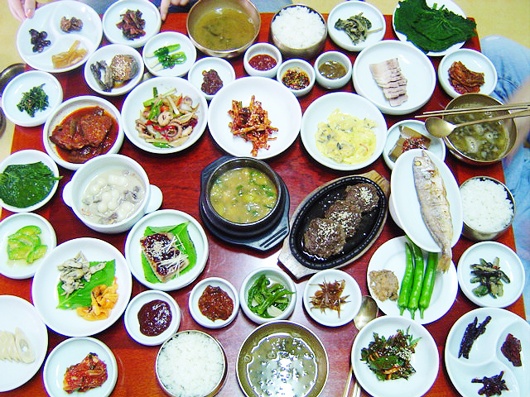
Walking through my local market in Seongsu-dong, I often find myself drawn to the vibrant displays of banchan—the small, flavourful side dishes that accompany nearly every Korean meal. These staples are not just a feast for the eyes; they embody the essence of Korean home cooking, often made with simple ingredients yet packed with flavour. If you’re new to Korean cuisine or simply curious about the daily dining habits here, understanding the basic six banchan that typically fill a Korean fridge can provide valuable insight into the culture and culinary practices.
1. Kimchi
No discussion of banchan would be complete without mentioning kimchi. This fermented vegetable dish—most commonly made with napa cabbage and radishes—varies widely in flavour and spiciness depending on the region and the recipe. In my home, we keep an assortment of kimchi types for different occasions. On days when I want something spicier, I reach for the baechu kimchi, which is made with napa cabbage and packs a punch with its red pepper flakes. Alternatively, I enjoy kkakdugi, or cubed radish kimchi, which has a refreshing crunch. A jar of good quality kimchi at H Mart goes for around 6,000 won (about $5), and it’s a staple I suggest everyone keeps on hand. Kimchi can even be found in many restaurants for around 1,000 won (about $0.85) as a side dish.
Making your own kimchi can be a rewarding experience. The process involves a few basic steps:
- Prepare your ingredients: You'll need napa cabbage, radishes, garlic, ginger, Korean red pepper flakes (gochugaru), fish sauce, and sugar.
- Brine the cabbage: Cut the napa cabbage into quarters and soak it in a saltwater solution for about 2 hours, turning it occasionally.
- Make the paste: In a bowl, mix the gochugaru with minced garlic, ginger, fish sauce, and sugar to create a thick paste.
- Combine: Rinse the cabbage thoroughly, then mix it with the paste, ensuring each leaf is well-coated.
- Ferment: Pack the kimchi into a jar, leaving some space at the top, and let it sit at room temperature for 1 to 2 days before transferring it to the fridge.
This homemade version can last for months in the refrigerator, and it’s satisfying to see it evolve in flavour over time.
2. Pickled Radish (Danmuji)
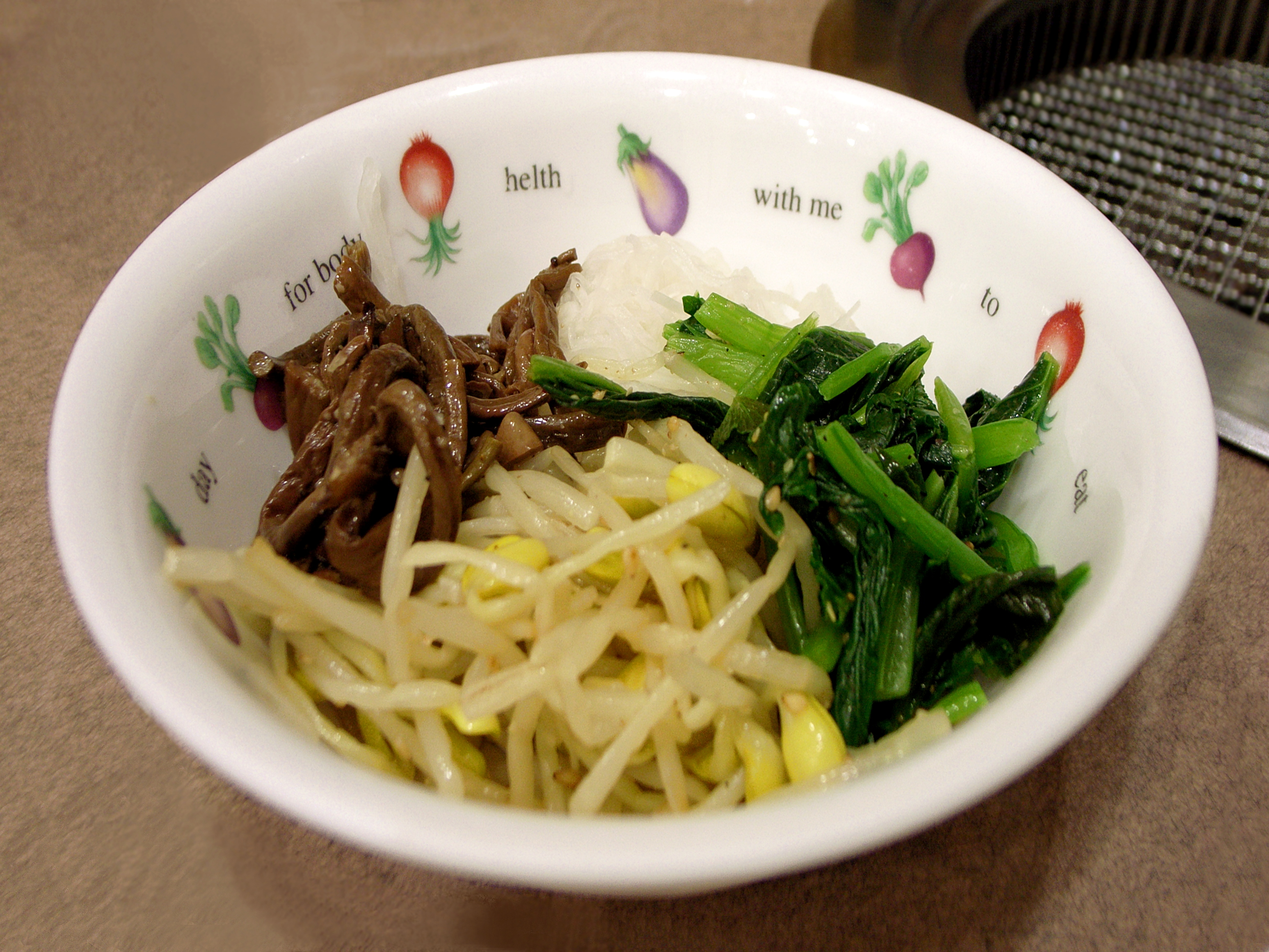
Danmuji, or pickled radish, offers a refreshing contrast to the spiciness of kimchi. Its sweet and tangy flavour makes it a popular choice alongside fried dishes or as a filling for kimbap. You can find danmuji pre-packaged in most supermarkets, with prices hovering around 3,000 won (approximately $2.50). In Seongdong-gu, popular kimbap shops like Gimbap Heaven often serve it alongside their rolls. Even better, it’s easy to make at home using daikon radish, sugar, vinegar, and a pinch of salt. Simply slice the radish, mix the other ingredients, and let it marinate in the fridge for a couple of hours. It’ll last for at least a week, making it an efficient preparation.
For a step-by-step guide to making danmuji:
- Gather your ingredients: You'll need daikon radish, sugar, vinegar (rice vinegar works best), and salt.
- Slice the radish: Cut the daikon into thin rounds or sticks, depending on your preference.
- Prepare the brine: In a bowl, mix equal parts sugar and vinegar, along with a teaspoon of salt to taste.
- Combine: Toss the radish slices in the brine, ensuring they are fully submerged.
- Marinate: Place in a jar or airtight container and let it sit in the fridge for at least an hour before consuming.
Making danmuji can enhance your culinary repertoire, adding a zesty flair to your meals.
3. Seasoned Spinach (Sigeumchi Namul)
Sigeumchi namul is a simple yet nutritious side dish made from blanched spinach seasoned with sesame oil, garlic, and soy sauce. It’s easy to prepare and a great way to incorporate greens into your diet. I usually buy fresh spinach in Yeonnam-dong, where the local farmers’ market offers it for around 1,500 won (about $1.30) per bundle. Blanch the spinach for just a minute, squeeze out the excess water, and mix it with your seasonings. This dish keeps well in the fridge for up to three days, making it a perfect meal prep item.
Here’s how to make seasoned spinach:
- Blanch the spinach: Boil a pot of water, add the spinach, and cook for about 1 minute until wilted.
- Drain and rinse: Remove the spinach and place it in cold water to stop the cooking process. Drain and squeeze out excess moisture.
- Season: In a bowl, mix the spinach with sesame oil, minced garlic, soy sauce, and sesame seeds to taste.
- Serve: It can be served warm or cold and pairs well with rice.
This side dish is both healthy and satisfying, and it can even be incorporated into larger meals like bibimbap for added nutrition.
4. Stir-Fried Bean Sprouts (Kongnamul)
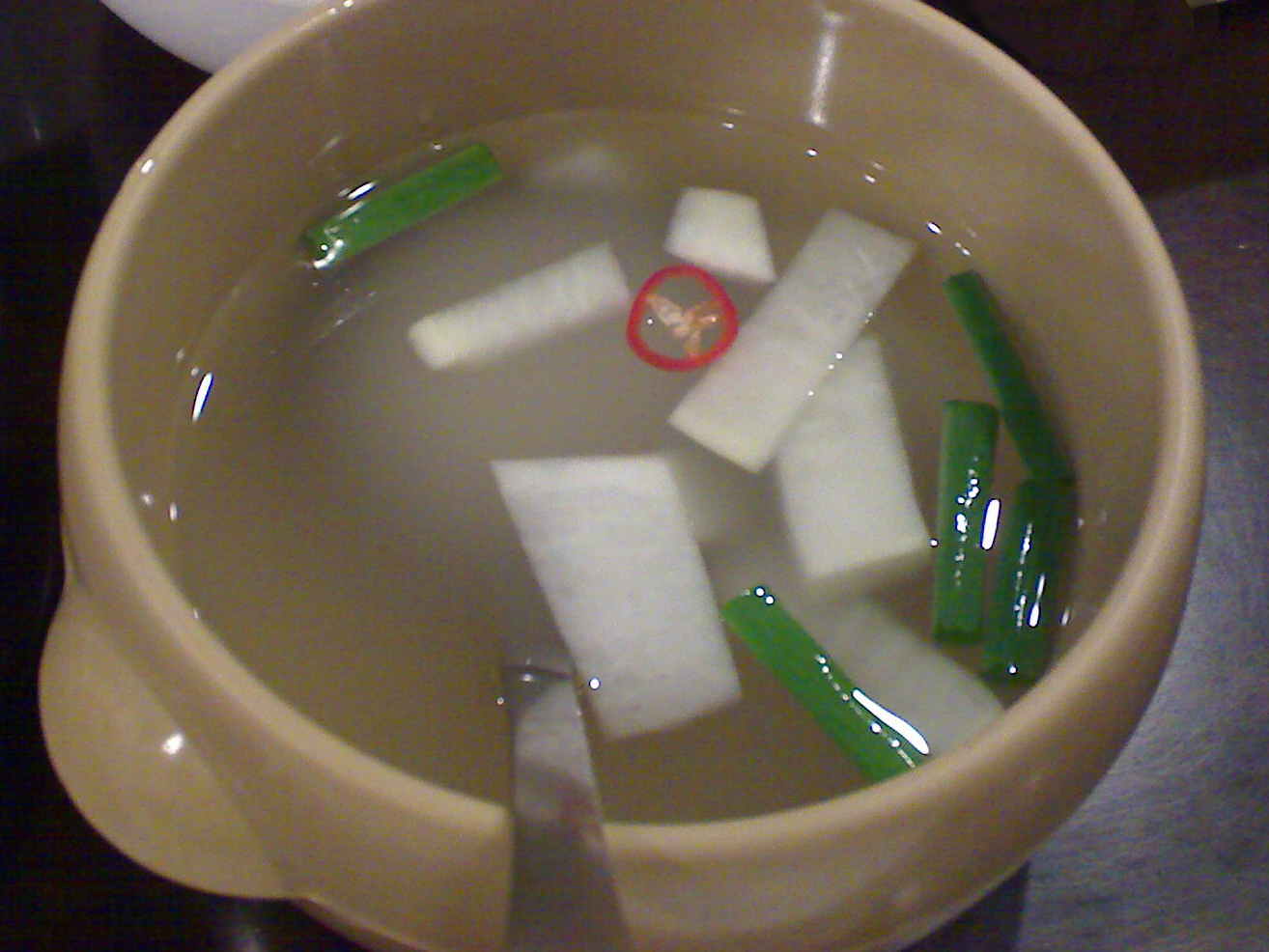
Kongnamul is another common banchan that is both inexpensive and easy to prepare. The stir-fried bean sprouts are seasoned with sesame oil, garlic, and a touch of salt, making them a crunchy, flavourful addition to any meal. I often get my fresh bean sprouts from Yangjae Flower Market for about 2,000 won (around $1.70) per bag. To prepare them, simply blanch in boiling water for about two minutes, drain, and toss with your seasonings. You can enjoy kongnamul hot or cold, and it’s an ideal accompaniment to rice and soup.
To make kongnamul:
- Blanch the bean sprouts: In boiling water, cook the bean sprouts for about 2 minutes, then drain.
- Heat a pan: In a skillet, heat a small amount of sesame oil over medium heat.
- Add garlic: Toss in minced garlic and stir-fry for a minute until fragrant.
- Combine: Add the blanched bean sprouts to the pan, season with salt and pepper, and stir-fry for another minute.
- Serve: Transfer to a dish and drizzle with a little more sesame oil, if desired.
Kongnamul is a fantastic way to enjoy the crunch of beansprouts while also benefiting from their nutritional value.
5. Braised Potatoes (Gamja Jorim)
Gamja jorim features small potato cubes braised in a sweet soy sauce mixture. This dish is loved for its comforting, slightly sweet taste and is often served warm. I typically prepare a batch on Sundays, simmering diced potatoes in a combination of soy sauce, sugar, and sesame oil. A homemade version costs around 3,500 won (about $3) per serving, and it keeps well in the refrigerator for a few days. You can find this popular side at Jongno Gukbap, where it’s often served alongside their hearty soups for around 4,500 won (about $4).
Here is how to prepare gamja jorim:
- Prepare the potatoes: Peel and cut the potatoes into small cubes.
- Add to a pot: In a pot, combine the cubed potatoes, soy sauce, sugar, and a splash of water.
- Simmer: Cook over medium heat until the potatoes are tender, stirring occasionally, about 15-20 minutes.
- Finish with sesame oil: When the potatoes have absorbed most of the liquid, drizzle with sesame oil and serve.
This comforting dish is perfect for those cold days when you need something wholesome and filling.
6. Seasoned Cucumbers (Oiji)
Oiji, or seasoned cucumbers, add a refreshing crunch to your table. They are typically marinated in a mixture of soy sauce, vinegar, and sesame oil, bringing a delightful contrast to richer dishes. I enjoy making oiji in batches because they are so versatile. In Gangnam’s Cheonggyecheon area, you can find pre-prepared versions for about 2,500 won (around $2.10), but they’re also simple to prepare at home. Just slice the cucumbers into thin rounds, mix the marinade, and let them soak for about two hours. They last in the fridge for up to five days.
To prepare oiji:
- Slice the cucumbers: Cut cucumbers into thin rounds or sticks.
- Mix the marinade: In a bowl, combine soy sauce, vinegar, sesame oil, and a pinch of sugar.
- Combine: Toss the cucumbers in the marinade and let them rest for a couple of hours.
- Serve: Enjoy as a refreshing side or snack.
This dish is perfect for summer BBQs or paired with spicy dishes to cool the palate.
Building Your Own Banchan Collection
Stocking your fridge with these essential banchan dishes not only enriches your meals but also allows for improvisation and creativity in the kitchen. Here are a few tips to get started:
- Invest in glass containers: They are great for storage and help keep banchan fresh longer.
- Prep in bulk: Making larger batches saves time during the week and ensures you always have something on hand.
- Experiment with different seasonings: Feel free to adjust the flavours to suit your personal taste. For example, adding a dash of gochujang (Korean chili paste) can elevate the taste of seasoned spinach.
While the internet often romanticizes Korean food and culture, experiencing banchan at home reveals its true simplicity and familiarity. Each dish serves a purpose, providing balance and variety to everyday meals. You can find these banchan in Korean households, restaurants, and even convenience stores. The next time you find yourself in a Korean kitchen—whether your own or a friend's—take note of these six banchan that are likely to be present, offering a taste of authenticity and tradition.
FAQ
What is banchan?
Banchan refers to the small side dishes served along with rice and main dishes in Korean cuisine. They can vary widely in terms of ingredients and preparation methods.
How long can you keep banchan in the fridge?
Most banchan can typically last in the fridge for about 3 to 5 days. However, their freshness may vary based on the specific ingredients and how they are stored.
Can you make banchan ahead of time?
Yes, many banchan can be prepared in advance, which makes them ideal for meal prep. Cooking them ahead can save time during busy weekdays.
Are there vegetarian options for banchan?
Yes, many banchan are vegetarian or can easily be adapted to be meat-free. Dishes like seasoned spinach, pickled radish, and seasoned cucumbers typically contain no animal products.
In my next post, I’ll explore the world of korean street food and the top must-try snacks you can find in Seoul.
Images by Nuyos at en.wikipedia (Public domain), Jun Ohwada (CC BY 2.0), by karendotcom127 (CC BY 2.0) via Wikimedia Commons