A Practical Guide to Day-Hiking Bukhansan Baegundae Peak from Seoul
Explore the stunning trails of Bukhansan Baegundae Peak with this practical guide for day-hikers in Seoul. Essential tips, routes, and what to expect.
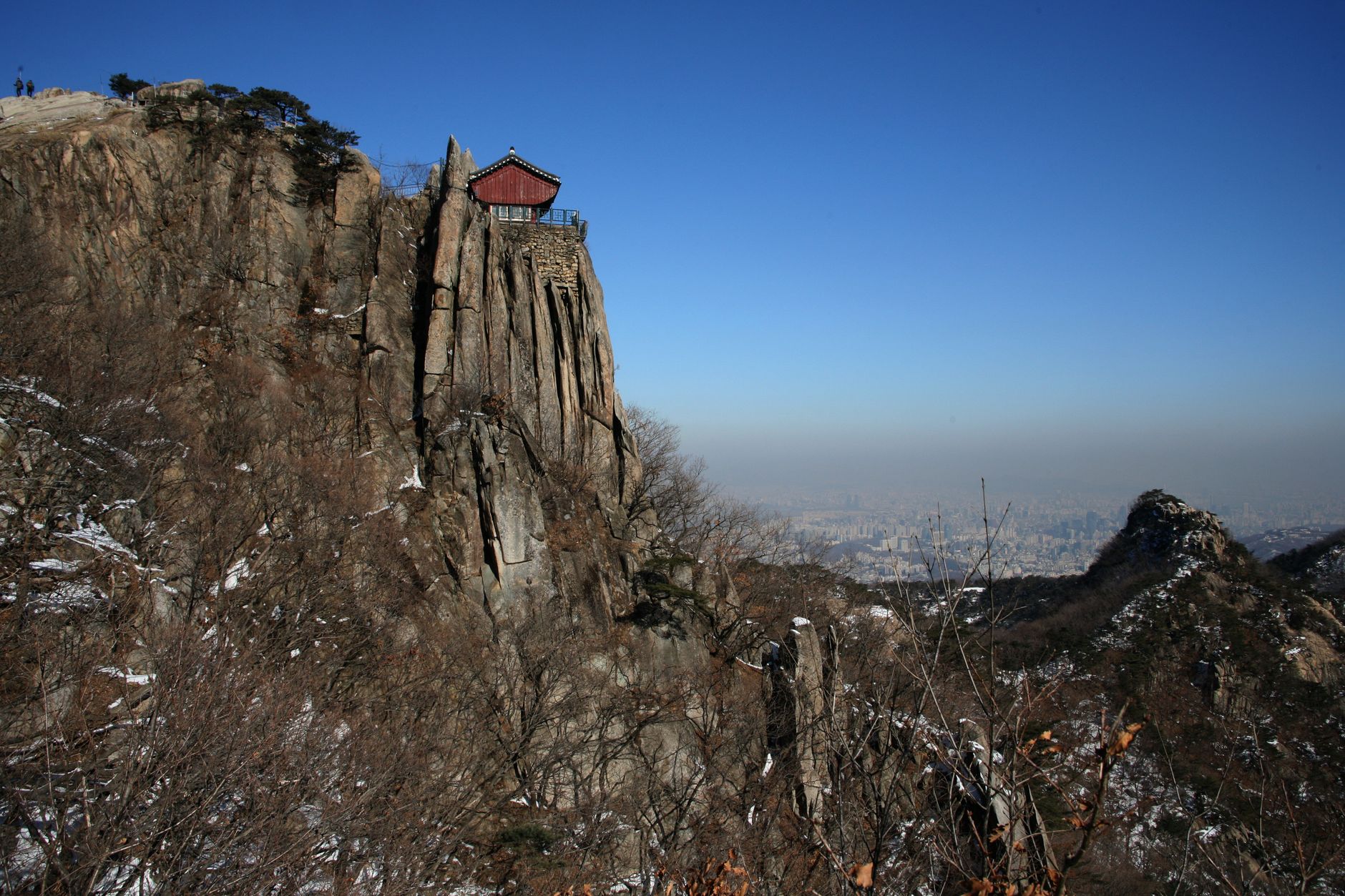
Just outside the bustling streets of Seoul, Bukhansan National Park offers a quick escape into nature, with its crowning jewel being Baegundae Peak. On a clear day, the panoramic views from the summit are a reminder of the city's proximity to stunning landscapes. As someone who frequently visits the park, I can attest to the beauty that awaits those who make the trek.
Getting to Bukhansan National Park
Your adventure begins in the heart of Seoul. The most common way to reach Bukhansan is via the subway, and the journey is straightforward:
- Take Line 3 (the Orange Line) to Gupabal Station.
- Exit through Exit 1, and follow the signs to the bus stop.
- Catch bus 34 or 704, which will take you directly to the Baegundae Entrance of the park.
The entire trip should take around an hour, depending on traffic and waiting times. The fare is approximately 1,250 won (about $1.00). For those who enjoy cycling, renting a bike for the day in the Yeonnam-dong area and riding to the park is also an option, although it requires more effort and planning.
Trail Options to Baegundae Peak
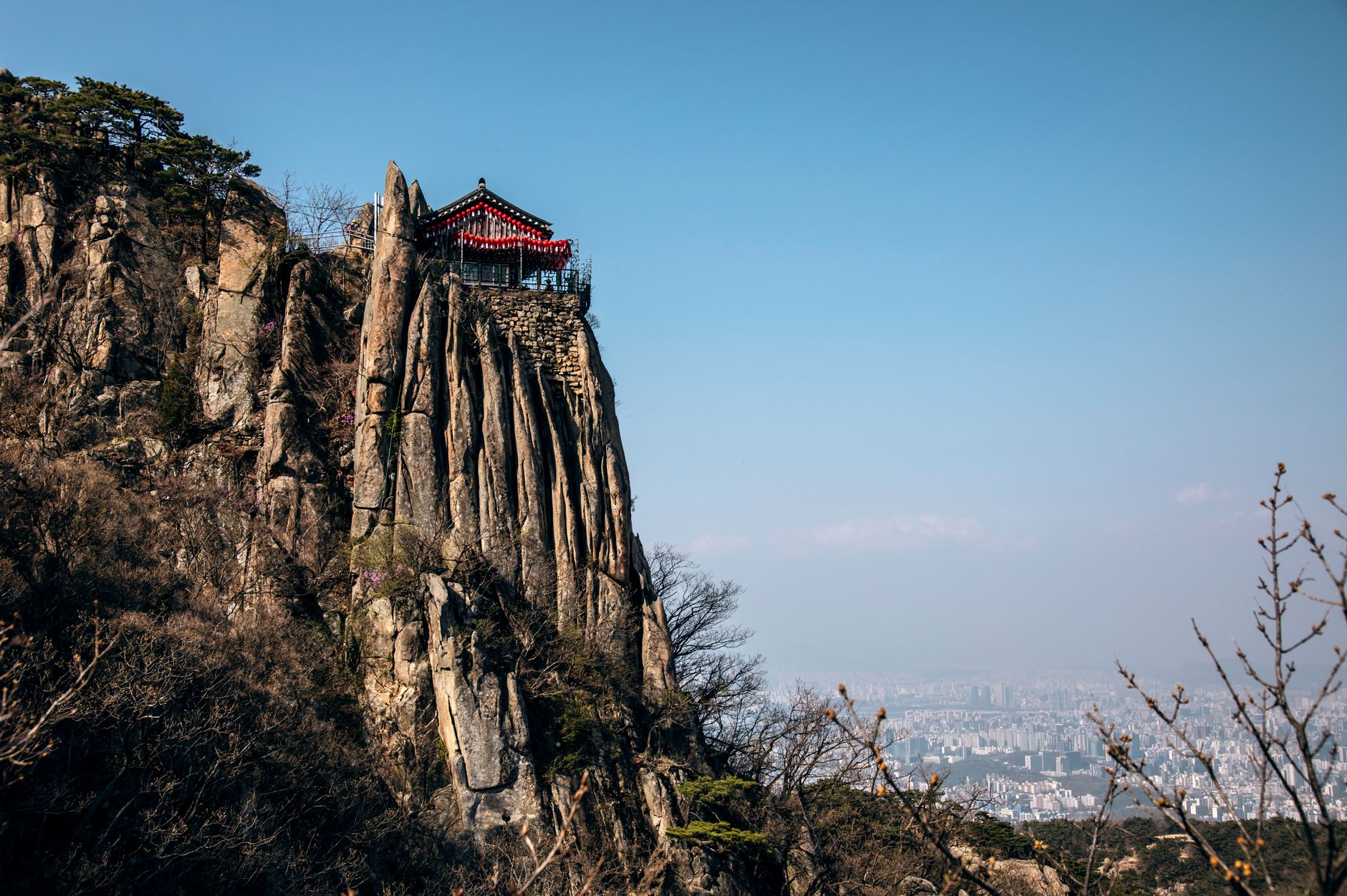
There are several trails that lead to Baegundae Peak, each with its own unique features. Here are the main routes:
- Baegundae Trail: This is the most popular route, and for good reason. It covers about 3.6 kilometres one way and takes around 2 to 3 hours to reach the peak. The trail is well-maintained but can get crowded on weekends, especially during the spring and autumn seasons when the weather is most pleasant. Expect to see many local hikers enjoying the trail.
- Insugong Trail: A slightly longer and less trafficked option, this trail is around 4.2 kilometres. It offers more natural scenery and a quieter experience, albeit with some steeper sections. I personally prefer this route, especially on weekdays, as it allows for moments of solitude amidst nature. The added benefit is encountering fewer hikers, allowing you to connect more deeply with the environment.
- Hyangnobong Trail: For those looking for a challenge, this trail offers a steep climb and is approximately 3.5 kilometres long. It is less frequently taken but rewards hikers with stunning views, particularly during the winter when the landscape is dusted with snow. If you decide to go this route, be prepared for some rocky ascents that require a bit of scrambling.
Both the Baegundae and Insugong trails are well-marked, while the Hyangnobong Trail requires a bit more navigation skill due to fewer markers. Be aware of your physical condition and choose a trail that suits your ability level. It’s worth noting that I’ve encountered many hikers who begin with the Baegundae Trail but switch to the Insugong Trail for the return journey to enjoy a different perspective.
What to Bring for Your Hike
Preparation is key for a successful day-hike. Here’s a list of essentials to pack in your backpack:
- Water: Stay hydrated. Bring at least 1.5 litres per person, particularly on warmer days. I often carry a reusable bottle to reduce waste and refill it at water fountains provided at some park entrances.
- Snacks: Energy bars or fruits can provide a quick boost. I personally pack some Pepero (around 2,000 won or $1.50) for a sweet treat. If you prefer something savoury, Chipsmore cookies or traditional rice cakes can also be good options.
- Comfortable Shoes: Invest in good hiking shoes. I personally recommend brands like Merrell or Salomon, which are available at outdoor stores in Gangnam. Prices typically start around 70,000 won (about $55). The right footwear can make a significant difference in comfort and safety during the hike.
- Weather Gear: Check the forecast. A light rain jacket can be a lifesaver if the weather turns. On colder days, a thermal layer is advisable. I’ve found that local outdoor brand Kolon Sport offers reliable options at reasonable prices.
- First Aid: A small kit can come in handy for minor injuries. Basic supplies can be found at places like Olive Young, where I usually pick up adhesive bandages or antiseptic wipes.
- Mobile Phone: For navigation and safety. Make sure it’s fully charged, and consider downloading a hiking app for added assistance. Apps like Naver Map are particularly useful for finding your way.
Considering the unpredictable weather, layers of clothing that you can add or remove are also wise. If you're planning to visit during the colder months, thermal layers are a good investment. Local brands like Black Yak or The North Face have excellent options, often available in outdoor shops scattered throughout Itaewon.
What to Expect on the Trail
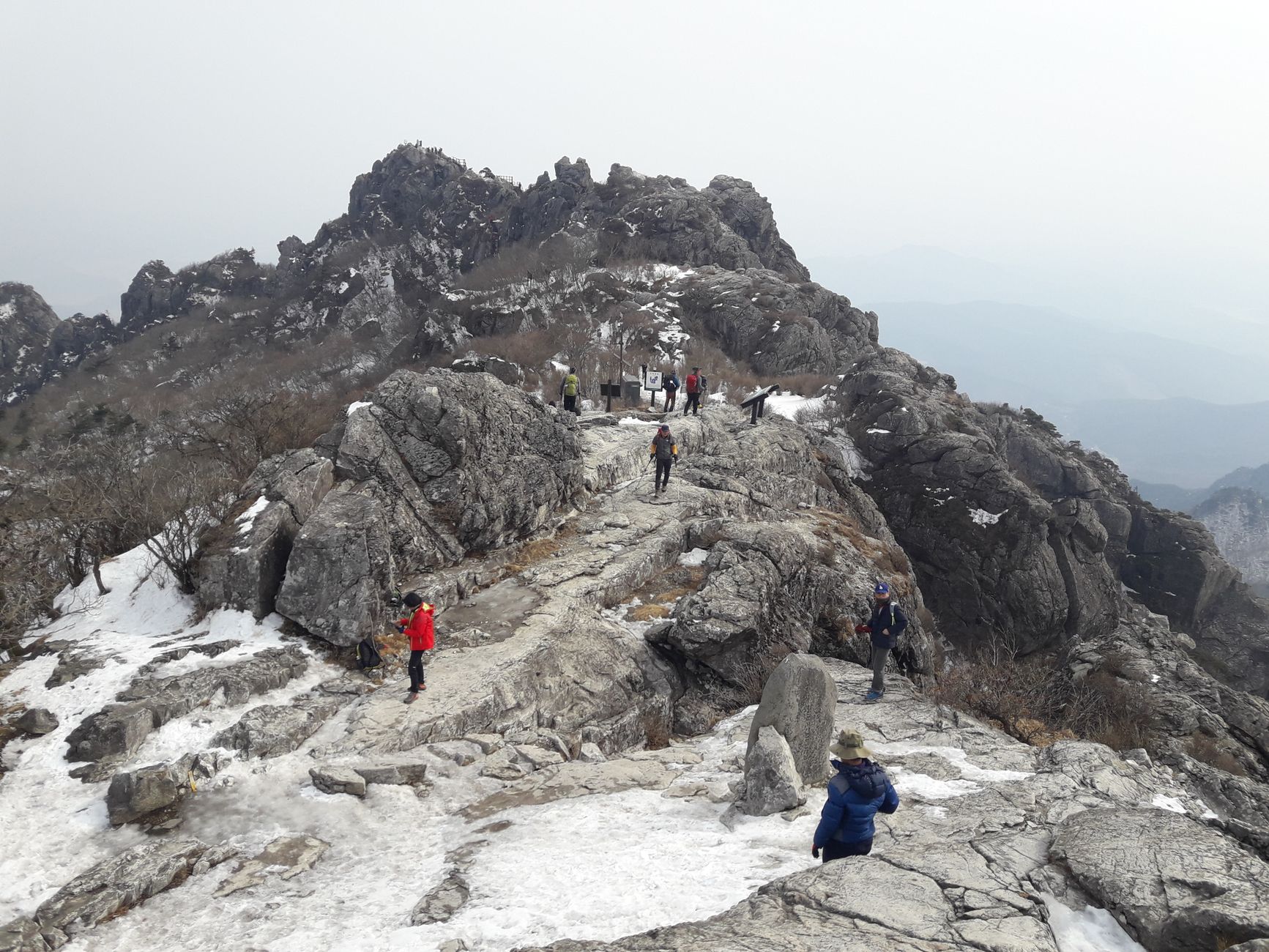
Hiking to Baegundae Peak is more than just reaching the summit; it’s about the journey through the stunning landscapes of Bukhansan. You’ll encounter:
- Rich Flora: Expect to see a mix of pine trees, wildflowers, and even some unique rock formations. In spring, the cherry blossoms add a stunning backdrop. The vibrant hues of autumn foliage in October and November are equally breathtaking, making it one of the most beautiful hiking destinations around Seoul during those months.
- Wildlife: You might spot a variety of birds and other small wildlife. Just remember to respect their space. Common sights include squirrels and the occasional deer. If you’re lucky, you may even see some Korean magpies, known for their distinct black and white plumage.
- Scenic Lookouts: Don’t rush to the top; take time to enjoy the various lookout points along the way. The view from Hyangnobong is particularly breathtaking. Be sure to take out your camera and capture the stunning vistas of Seoul against the backdrop of the mountains.
The final stretch before reaching the peak can be steep and rocky. It’s important to pace yourself, especially if you’re not accustomed to hiking. Take breaks when needed and drink plenty of water. I often bring a small portable stool for resting, which can make a difference during longer hikes.
What to Do After Your Hike
Once you've completed your hike down, consider celebrating your accomplishment with a meal at a nearby eatery. Samgyeopsal (grilled pork belly) is a popular choice among hikers. Check out Hwaesik in the Jongno area, where you can enjoy a satisfying meal for around 10,000 won (about $7.50). The casual atmosphere and lively local crowd create an inviting experience.
If you're in the mood for something lighter, Bukhansan Dakgalbi is a local specialty available at various shops nearby. Expect to pay around 8,000 to 12,000 won (about $6 to $9) for a generous portion. The spicy stir-fried chicken is a delightful way to refuel. I found a fantastic place called Chungdam Dakgalbi, which serves a flavourful dish that never disappoints.
For dessert or a caffeine fix, consider stopping by a café in Itaewon or Seongsu-dong on your way home. Blue Bottle Coffee, located in Seongsu-dong, offers a relaxing atmosphere and artisan coffee, with prices starting around 5,000 won (about $4). Alternatively, Verve Coffee Roasters is another great spot in the area, known for its high-quality brews.
Final Tips
Here are a few closing thoughts to make your hike to Baegundae Peak enjoyable:
- Check the park's opening hours. Generally, the park opens at 5 AM, but it’s best to confirm before heading out.
- Weekdays are less crowded than weekends, which makes for a more pleasant hiking experience. If possible, plan your hike for a Tuesday or Wednesday.
- Bring some cash, as not all small eateries accept cards. Having around 20,000 won (about $15) should suffice for meals and snacks.
- Respect nature—take your trash with you and stay on designated trails. Leaving no trace is essential in maintaining the park's natural beauty.
- Ensure someone knows your hiking plan if you’re going solo. Safety is paramount, especially on less-trafficked trails.
With its accessibility from Seoul and stunning views, Bukhansan Baegundae Peak is a hike worth taking. If you're planning your first hike or are a seasoned trekker, the experience offers something special.
FAQ
What is the best time to hike Baegundae Peak?
The best times to hike are during the spring (April to June) and autumn (September to November) when the weather is mild, and the scenery is vibrant with blooming flowers or colourful foliage.
How difficult is the hike to Baegundae Peak?
The hike is moderately challenging, with steep sections towards the top. It requires a reasonable level of fitness, but many hikers of various skill levels complete it successfully. Expect to invest around 4 to 6 hours for the entire round trip.
Are there facilities available in the park?
Yes, there are restrooms and picnic areas near the entrance of the park and along some trails. However, it's advisable to bring your own snacks and water, as options inside the park can be limited.
Can I bring my dog?
Dogs are allowed in Bukhansan National Park, but they must be kept on a leash at all times, and it’s your responsibility to clean up after them. Be considerate of wildlife and other hikers.
In my next post, I’ll share insights on the best local cafés to unwind after your outdoor adventures in Seoul.
Photos by Jungsik Kwak, 정규송 Nui MALAMA, Kwangho Cha via Pexels