Discovering Unique Daily Finds at Traditional Korean Markets
Explore Seoul's traditional markets for unique finds, local produce, and authentic Korean food. Discover hidden gems in every corner of the city.
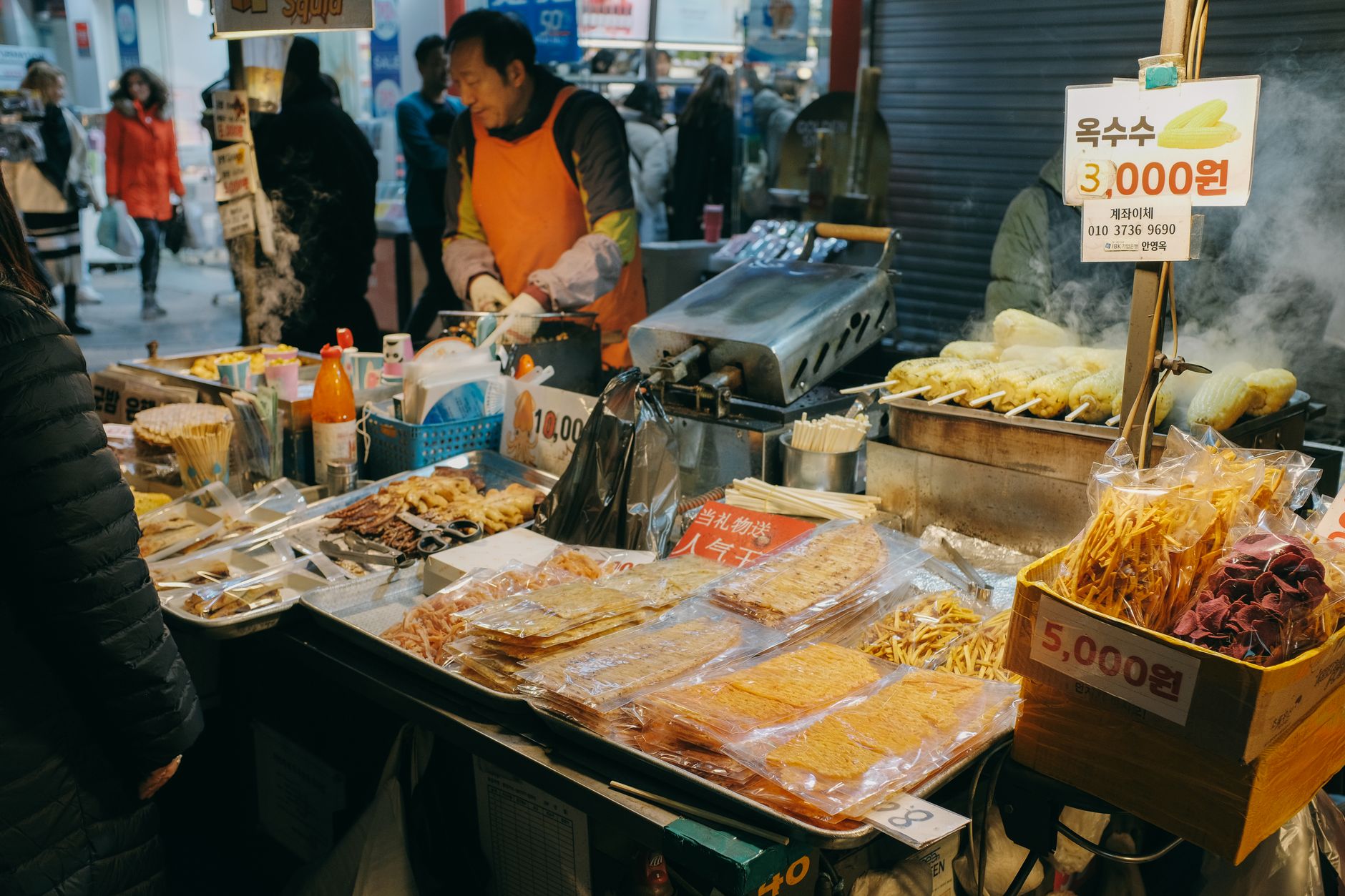
Seoul's traditional markets are a treasure trove of unique daily finds, and they paint an authentic picture of Korean life. As I wander through these bustling spaces, I'm reminded of my first trip to Gwangjang Market, where vibrant textiles and the sizzling sound of bindaetteok (mung bean pancakes) greeted me. If you're in Seoul and seeking something beyond the mainstream shopping malls, these markets are worth exploring.
Why Visit Traditional Markets?
First and foremost, traditional Korean markets offer a glimpse into the country's rich culture and history. Unlike the sleek, modern shops of Gangnam, these markets have a distinct character shaped by local vendors and their stories. Here are a few compelling reasons to visit:
- Authenticity: Experience the real Korea by interacting with local sellers.
- Diverse Offerings: From fresh produce to unique handcrafted items, there's something for everyone.
- Affordability: Prices are typically lower than in retail stores, allowing for budget-friendly shopping.
- Culinary Delights: Many markets feature food stalls serving traditional dishes that you won't find elsewhere.
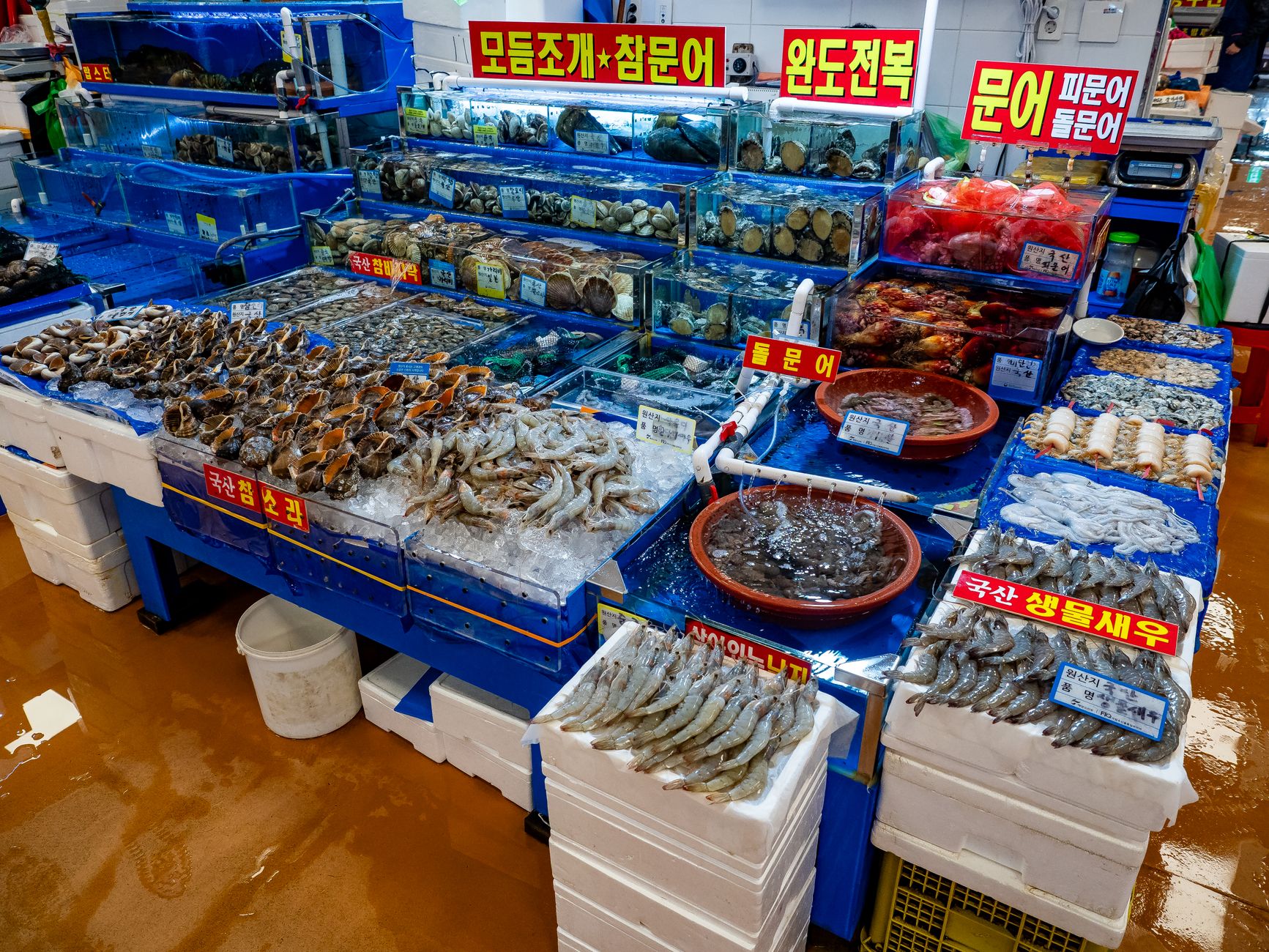
Top Traditional Markets in Seoul
Seoul is dotted with traditional markets, each offering its own unique charm and selection. Here are some of my personal favourites:
1. Gwangjang Market
Located near Jongno, Gwangjang Market is a must-visit for food lovers. Here, you can indulge in:
- Bindaetteok: Crunchy mung bean pancakes that are filled with vegetables, costing around 3,000 won (approximately $2.25) per piece.
- Sundae: Korean blood sausage served with a side of dipping sauce, typically priced at around 5,000 won (about $3.75).
- Handmade Textiles: Shop for vintage silk and linen, with prices starting from around 10,000 won ($7.50) for small items.
The market is open from around 9 am to 6 pm, and I recommend visiting during lunch hours to experience the bustling atmosphere. One of my memorable visits included trying their famous kimbap from a vendor who has been there for over thirty years. These rolls, filled with fresh vegetables and a hint of sesame oil, cost only 2,500 won (roughly $1.90). You can’t leave without sampling the freshly made makgeolli (rice wine) for about 3,000 won (around $2.25) while chatting with the local elderly patrons.
2. Namdaemun Market
Another popular spot, Namdaemun Market, is known for its extensive range of products. Here, you'll find:
- Local Delicacies: Street food like hotteok (sweet pancakes) and tteokbokki (spicy rice cakes) priced around 1,500 won ($1.10) to 4,000 won (about $3).
- Household Goods: Everything from kitchen utensils to seasonal decorations, with prices for home items starting at 1,000 won (about $0.75).
- Clothing: Affordable fashion items, particularly in the clothing alley, where you can find shirts for as little as 5,000 won ($3.75).
Open 24 hours, it's ideal for night owls looking to explore the market's vibrant offerings. I often visit late in the evening, where I can grab a bowl of hot soup for 5,000 won ($3.75) from a vendor who serves up steaming bowls of kimchi jjigae (kimchi stew). It’s the perfect way to end a day of shopping.
3. Dongdaemun Market
This market is a hub for fashion enthusiasts. With both wholesale and retail options, it’s perfect for finding:
- Trendy Clothing: Unique garments and accessories at reasonable prices, often starting at 10,000 won ($7.50).
- Textiles: Varied fabrics for those interested in making their own clothes, usually priced around 5,000 won ($3.75) per metre.
- Late-Night Shopping: Many shops are open until the early hours of the morning, catering to dedicated fashion hunters.
However, be advised that it can get quite overwhelming due to its size. Try to plan your visit by focusing on specific sections of the market. For instance, if you're looking for unique jewellery, the fourth floor often has the best selection, with prices ranging from 5,000 won ($3.75) for simple pieces to 50,000 won ($37.50) for more ornate items.
What to Look For
When visiting these markets, it’s helpful to know what to keep an eye out for:
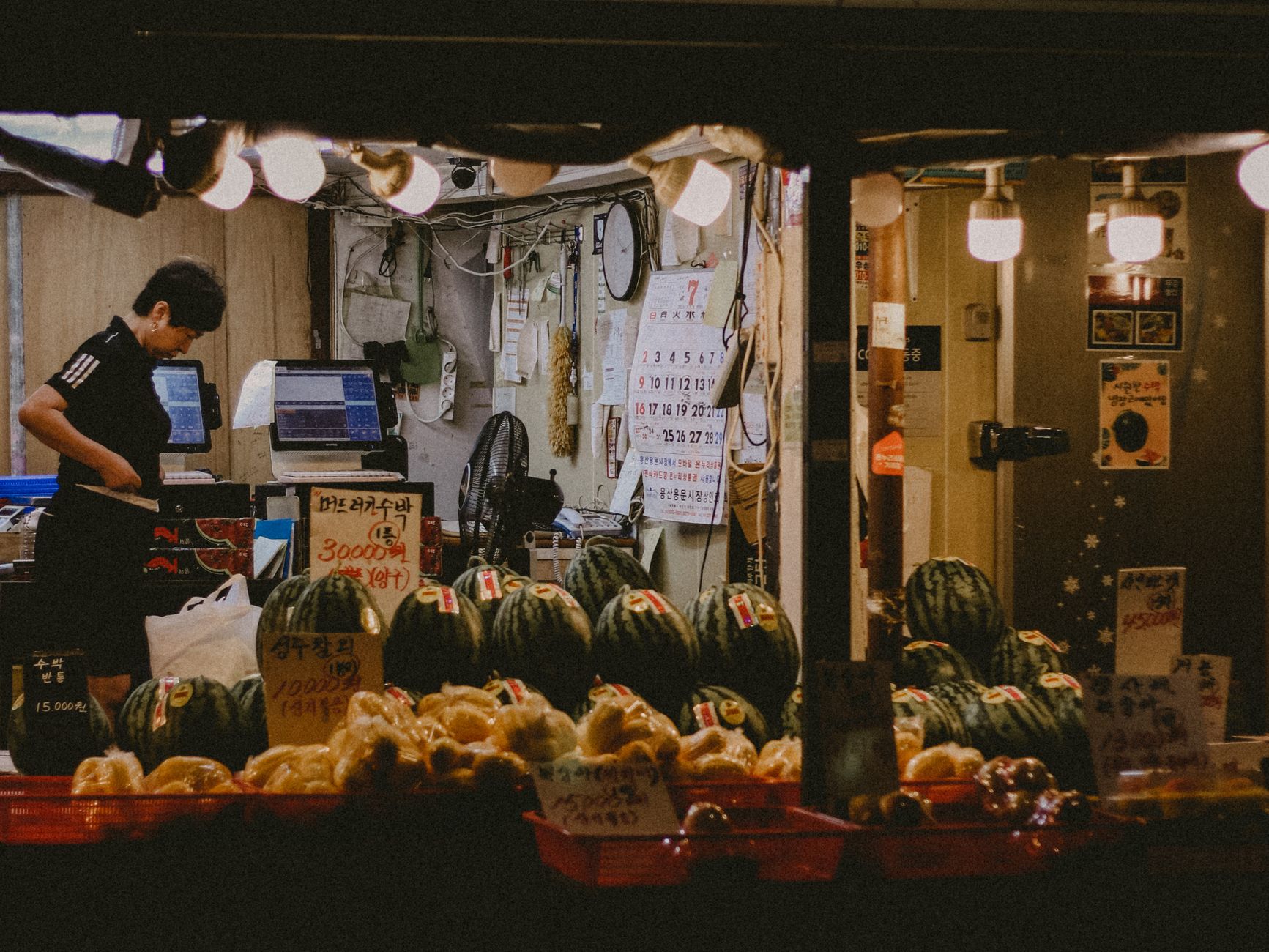
- Quality and Freshness: Especially for food items, look for stalls with a high turnover of products. Fresh fruits and vegetables usually show vibrant colours and firm textures.
- Local Crafts: Handcrafted items like pottery, hanbok (traditional clothing), or artwork make great gifts and souvenirs. Expect to pay around 20,000 won ($15) for a decent piece.
- Seasonal Produce: Fruits and vegetables in season are often fresher and more affordable, especially at markets like Gwangjang or Namdaemun.
Don't hesitate to ask the vendors about their products; many are happy to share their knowledge and recommendations. For instance, I once discovered a hidden gem of a strawberry vendor at Gwangjang who sold sweet, local strawberries for 3,000 won ($2.25) per pack, and they were far superior in taste compared to the ones I've found at grocery stores.
How to Make the Most of Your Visit
To fully enjoy your time at these markets, consider the following tips:
- Go Early: Arriving early allows you to browse leisurely and enjoy the freshest food options. Early morning visits mean you can avoid the large crowds that form later in the day.
- Carry Cash: Many vendors prefer cash payments, so be sure to have enough won on hand. Prepare small bills as larger denominations may not be easily accepted.
- Wear Comfortable Shoes: You’ll be doing a lot of walking, and comfortable footwear is essential for fully exploring the market.
- Learn Basic Korean Phrases: While many vendors understand basic English, knowing a few simple phrases can enhance your interactions. Words like “안녕하세요” (annyeonghaseyo - hello) or “얼마에요?” (eolmaeyo? - how much?) can go a long way.
- Be Adventurous with Food: Don't stick to familiar options. Trying something new, like odeng (fish cake) or jjinppang (steamed bun), might surprise you with delightful flavours.
Plan ahead and go with an open mind; you may discover something unexpected. One of my most surprising finds was a stall where I tried spicy tteokbokki topped with cheese—definitely not traditional, but utterly delicious.
Common Mistakes to Avoid
When exploring traditional markets, here are some pitfalls to watch out for:
- Ignoring Prices: Always check the prices before purchasing; some items may be overpriced for tourists. If an item seems excessively high, feel free to negotiate.
- Not Bargaining: While not all vendors are open to negotiation, trying to haggle can sometimes lead to better deals. A polite smile and a casual question about the price can often result in a discount.
- Overlooking Hygiene: Be mindful of cleanliness, especially in food stalls. Choose spots that appear busy and well-maintained, and always inspect your food for freshness.
Staying aware of these aspects can significantly enhance your market experience, ensuring that you leave with both fantastic purchases and enjoyable memories.
Connect with Local Culture
Visiting these markets is also a way to connect with local culture. Engage with vendors, ask about their stories, and learn about the products. For instance, at Namdaemun, I met a vendor who shared that his family has been selling traditional kimchi for three generations. Such conversations add depth to your experience, allowing you to appreciate the rich culinary history behind what you are eating.
Additionally, some markets host seasonal festivals, especially around major holidays like Chuseok. I once attended a lantern festival at Dongdaemun, which gave me insight into local traditions while enjoying food from various stalls.
Wrap-Up
Exploring traditional markets in Seoul is not merely about shopping; it's about immersing yourself in the local culture and experiencing the city's vibrant energy. Whether you’re hunting for unique gifts, delicious street food, or fresh produce, these markets have something for everyone. Next on the list is a deep dive into the best hidden cafés in Yeonnam-dong.
Photos by Huy Phan, William Warby, Le Thanh Huyen via Pexels