Essential Public Transportation Tips for New Residents in Seoul
Master Seoul's public transportation system with practical tips that every new resident should know for easier commuting and exploring the city.
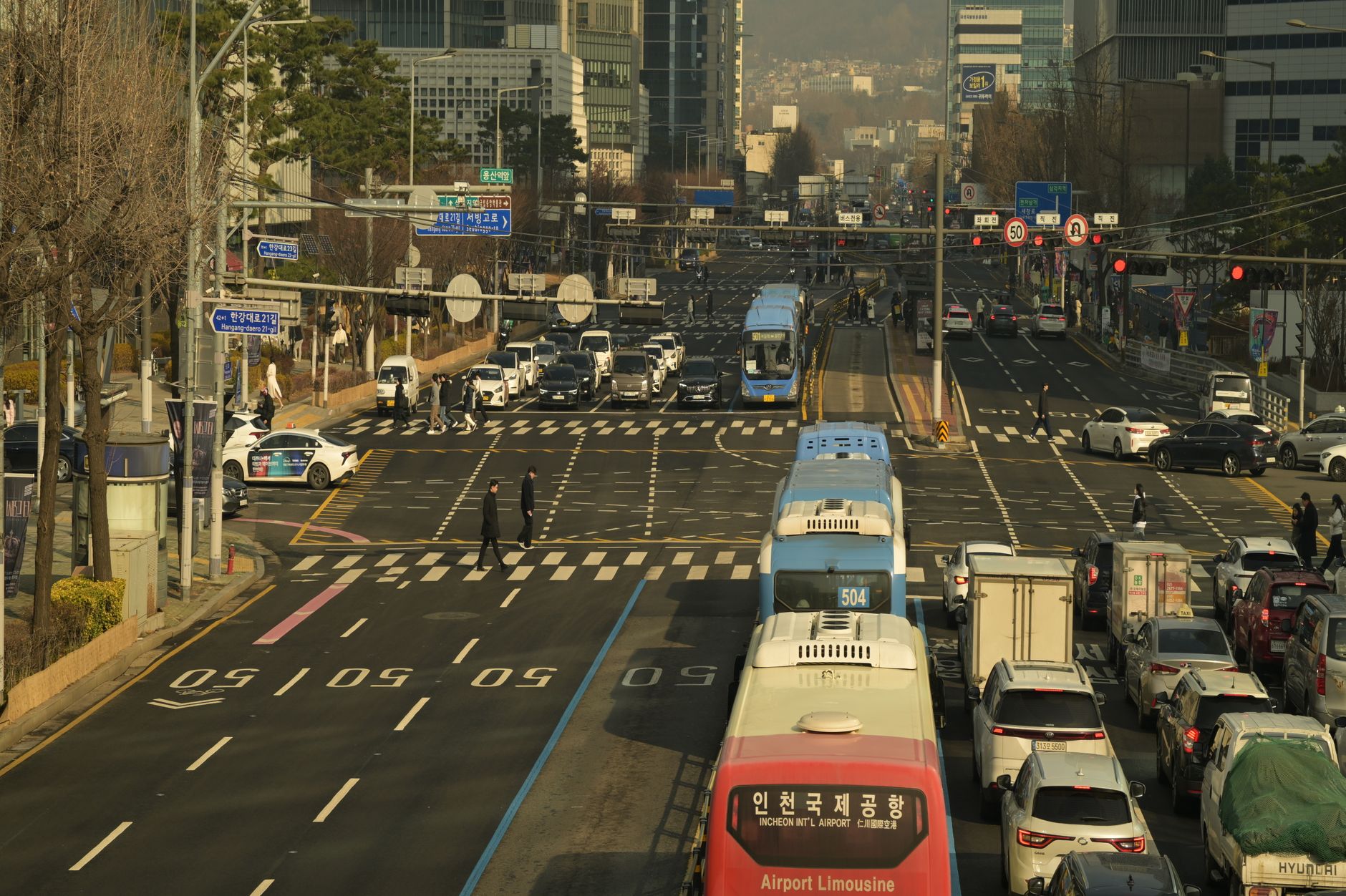
As I settled into my routine in Seoul, one of the first challenges I faced was mastering the public transportation system. The city's network is impressively extensive, yet it can feel overwhelming for newcomers. From navigating subway lines to understanding bus routes, these tips will help new residents find their way around Seoul with more confidence.
Getting Started: The T-Money Card
The first thing I recommend for anyone new to Seoul is to get a T-money card. This rechargeable smart card is essential for using the subway and buses, making your commuting experience seamless. You can purchase a T-money card at convenience stores like GS25 or CU for around 2,500 won (about $2). Just add money as needed, and you’re good to go.
Understanding the Subway System
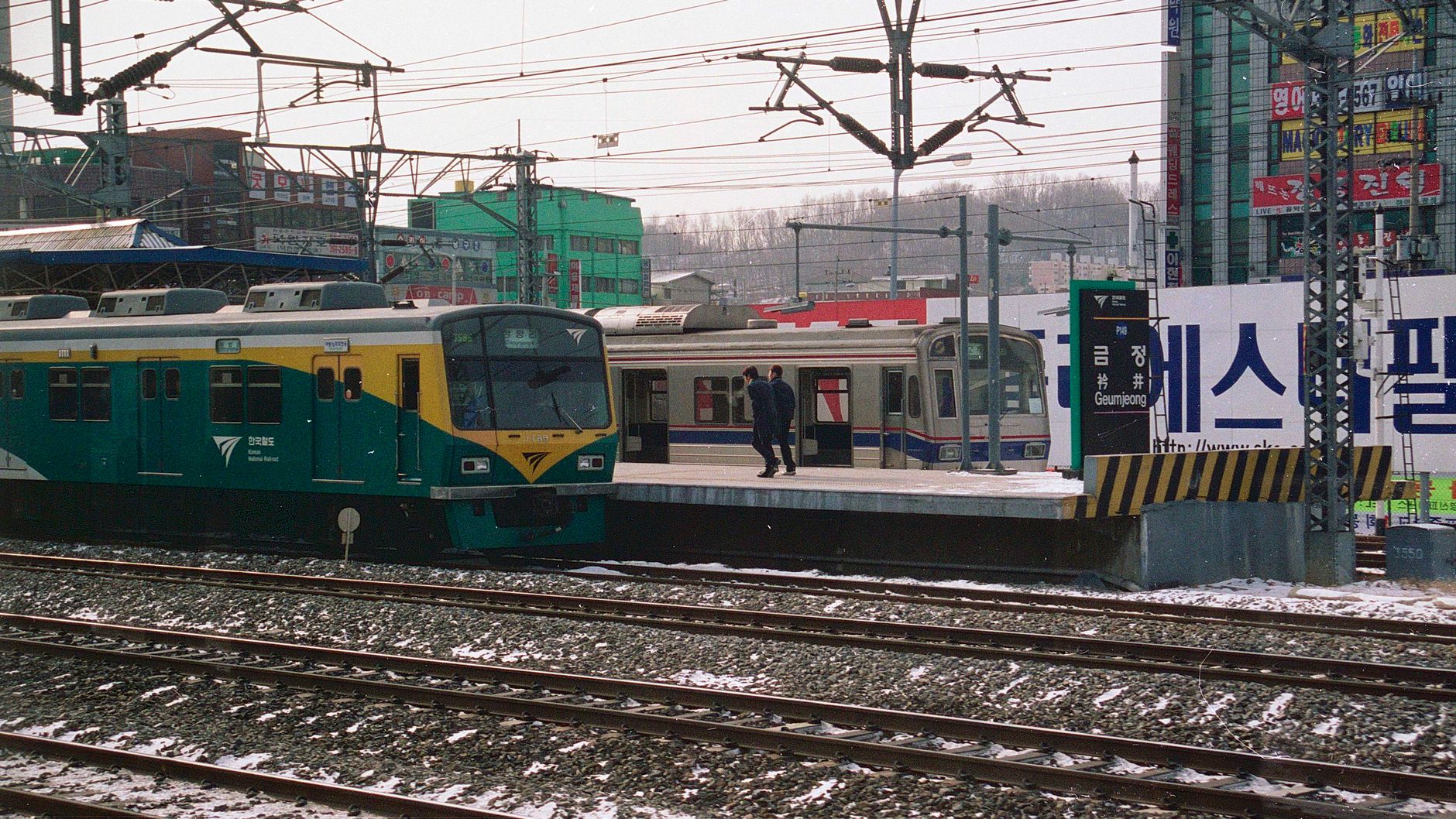
Seoul's subway system is one of the most efficient in the world. Here are some key points to help you navigate:
- Line Numbers and Colors: Each line has a unique number and colour, making it easier to remember and identify. For instance, Line 2 is green and circles around the city centre, while Line 1 is blue and runs from Seongbuk-dong to Incheon.
- Signs and Announcements: Most signage is available in both Korean and English, which alleviates the stress of navigating. Train announcements are also in English, so keep an ear out for your stop.
- Transfer Stations: Be prepared for transfers when necessary. Popular transfer stations like Gangnam or Seoul Station can get quite crowded, especially during rush hours.
The Subway Experience: A Personal Journey
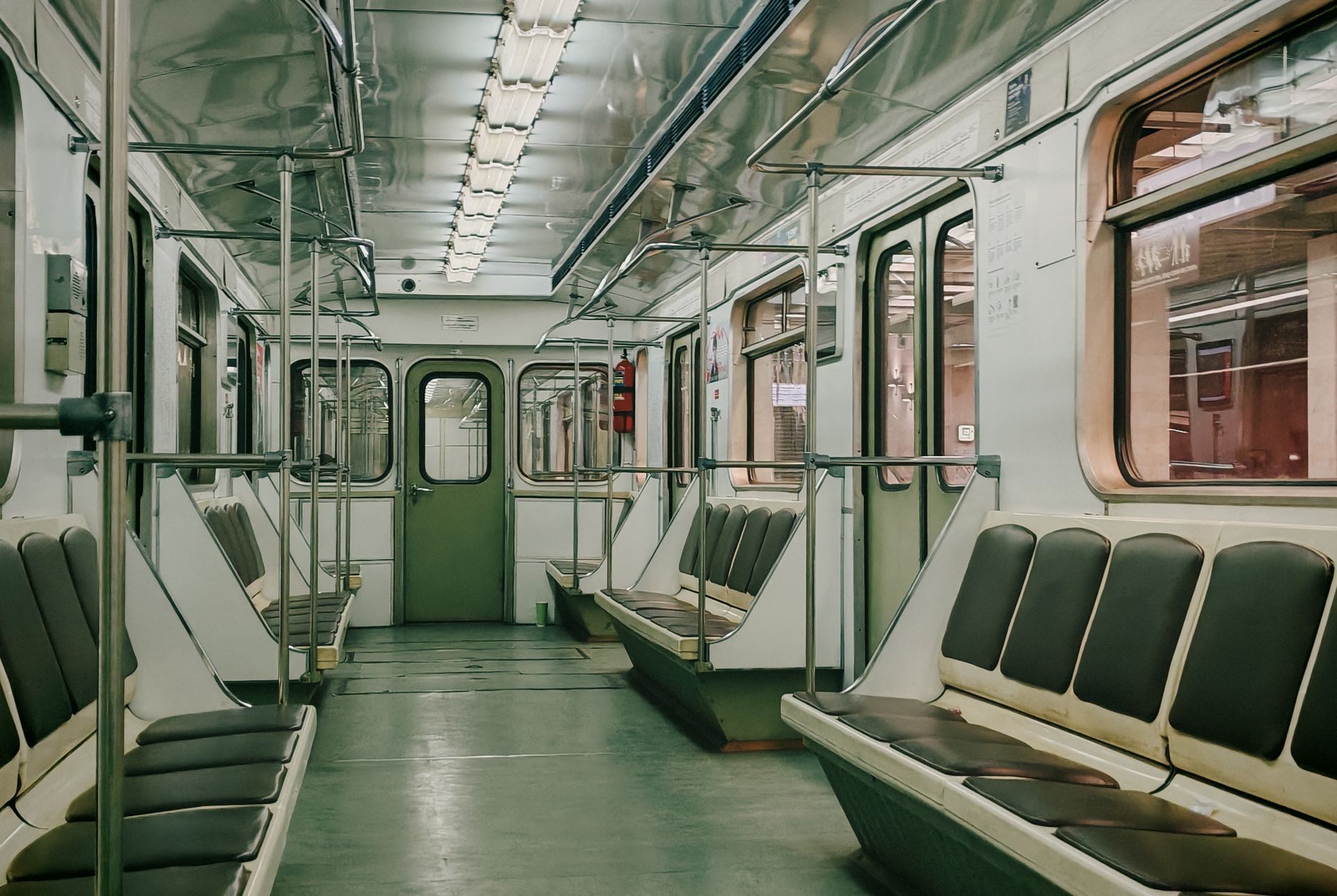
On my first day in Seoul, I decided to test my navigation skills by heading to Hongdae. The area is known for its vibrant youth culture and arts scene. I hopped on Line 2 at Sinchon Station and felt a mix of excitement and apprehension. My first impression of the subway was that it was clean and efficient, yet it quickly became apparent that I needed to be alert. The train was full, and standing was the only option during peak hours.
As I rode, I noticed the different types of passengers: some were engrossed in their smartphones, while others were simply staring out the window. When I arrived at Hongdae Station, the sheer volume of people stepping onto the platform was overwhelming. I quickly learned to follow the crowd and always keep an eye out for the exit signs, which are marked in both Korean and English.
Timing Your Travels
A common mistake among newcomers is not considering the timing of their travels. Seoul’s rush hour, typically from 7:30 to 9:30 AM and 5:00 to 7:00 PM, can transform a simple commute into a battle of wills. If possible, try to schedule your outings outside these times, especially if you plan to visit popular districts like Myeongdong or Gangnam.
Peak Hours and Quiet Times
During peak hours, trains can be packed, and the experience might not be very pleasant. Here’s a quick guide:
- Best Times to Travel: Try to travel mid-morning or late afternoon for a more comfortable ride. On weekends, the early afternoon tends to be less crowded.
- Worst Times to Travel: Avoid stations like Gangnam and Myeongdong during rush hour unless you enjoy an intimate experience with fellow commuters.
For instance, I once made the mistake of heading to Dongdaemun Design Plaza during a Wednesday evening rush hour. The station was so crowded that I could barely move, and it took me twice as long to reach my destination. Lesson learned: plan accordingly.
Buses: An Alternative Option
While the subway is the most popular choice, Seoul’s buses are also an excellent option to reach areas not serviced by the subway. Here’s what you should know:
- Bus Types: There are different colour-coded buses: blue buses for long distances, green buses for local routes, and yellow buses for circulatory routes around particular districts.
- Bus Stops: Bus stops are clearly marked, but the names may not always be in English. Use a navigation app to help with real-time information. For example, taking the green bus 7022 from my home in Yeonnam-dong directly to the university area is one of my frequent routes.
- Payment: You can use your T-money card on buses too, which keeps things simple. The cost of a bus ride ranges from 1,200 to 2,500 won (approximately $1 to $2), depending on the distance.
One day, I decided to explore Seongsu-dong, a trendy area filled with cafés and shops. The blue bus 143 made it easy to reach from the nearest subway station, costing me only 1,250 won (about $1). The bus was less crowded than the subway, providing a pleasant ride while I enjoyed the view of the streets.
Apps That Make Life Easier
In a city that thrives on technology, several apps can help streamline your commuting experience:
- Naver Map: More reliable than Google Maps in Korea, it provides real-time navigation and transit schedules. I typically use it to plan my journeys, especially when I need to make transfers.
- Subway Korea: This app includes detailed maps, timetables, and even a route planner. The app shows train arrival times, making it easy to know when to expect your ride.
- KakaoMap: Offers excellent public transport directions, including taxi options. I’ve found it particularly useful when I’m in areas without clear signage.
These apps also provide information about nearby restaurants and attractions, which can be a lifesaver when exploring new neighborhoods.
Etiquette and Tips
Every city has its unwritten rules, and Seoul is no different. Here are some etiquette tips to keep in mind:
- Quietness: Keep conversations to a minimum on public transport. Many locals appreciate a quieter commute. I’ve noticed people will avoid talking on the phone during their rides, opting for messages instead.
- Priority Seats: Respect the priority seats reserved for the elderly, pregnant women, and disabled persons. It’s not uncommon to see a young person jump up to give their seat to an elderly passenger.
- Be Aware: Many commuters will let you know if you are blocking the way or standing in the doorway. Take these cues respectfully.
For example, on one occasion, I was absorbed in my phone and failed to move aside for passengers getting on. A kind elderly man politely reminded me, and it served as a wake-up call to be more considerate of my fellow riders.
Cost of Transportation
Understanding the costs associated with navigating Seoul can also alleviate some of the stress. Here’s a breakdown:
- Subway Fares: Initial fare is around 1,250 won (about $1) for the first 10 kilometres, with incremental increases based on distance.
- Bus Fares: Buses charge around 1,200 to 2,500 won ($1 to $2), depending on the route.
- T-Money Card: The initial purchase of the card is 2,500 won ($2), but expect to load it with additional cash for regular use. I usually reload mine with about 20,000 won ($15) every few weeks.
In total, a round trip could cost you around 2,500 to 5,000 won ($2 to $4) depending on how far you travel. In a city where you might be commuting daily or multiple times, this is relatively affordable compared to many Western cities.
Final Thoughts
Seoul's public transportation system may seem daunting at first, but with the right tools and knowledge, you can navigate the city like a pro. Getting your T-money card, timing your travels wisely, and using helpful apps will make your journey smoother. While I haven't tested every bus line or subway station, these tips have served me well so far.
Next time, I’ll be sharing my recommendations for the best local cafés in Yeonnam-dong that are perfect for unwinding after a busy day of exploration.
Photos by Bogatyr Daniil, 貴彦 佐藤, Kirill Moiseev via Pexels