Inwangsan Hike: Experience Shaman Shrines Beyond the Photos
Discover the rich history and spiritual significance of Inwangsan's shaman shrines while hiking through Seoul's hidden gem. Learn more in this guide.
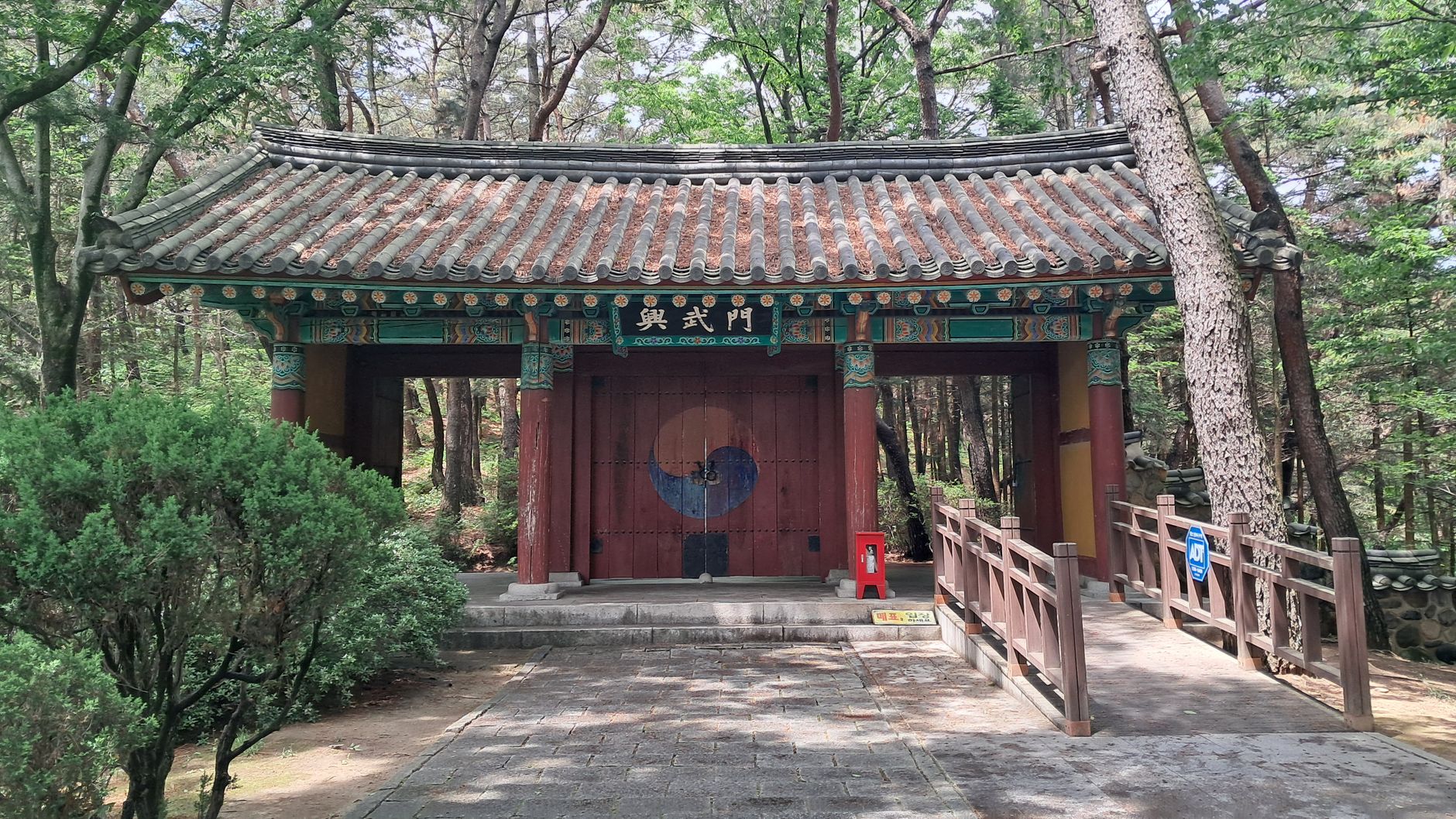
Inwangsan, often overshadowed by its more popular counterparts like Bukhansan, offers a unique experience that marries natural beauty with cultural depth. Nestled close to the heart of Seoul, in the neighborhood of Jongno, this mountain is not just a pathway for exercise enthusiasts; it is dotted with shaman shrines that tell stories of Korea’s spiritual past. The hike is relatively short, yet it contains layers of history and tradition that warrant a closer look.
While many visitors flock to Inwangsan for its breathtaking views of Seoul and the iconic Gyeongbokgung Palace, it’s essential to pause and consider the context behind the shaman shrines scattered along the trail. These sites reflect a form of spirituality that has been interwoven with the fabric of Korean culture for centuries, offering more than just picturesque photo opportunities. The contrast between the urban backdrop and the spiritual presence of the shrines creates a compelling narrative that is often overlooked.
Understanding Shamanism in Korea
Shamanism is often misunderstood in the West, yet in Korea, it holds a significant place. Often referred to as “Muism,” it encompasses rituals and beliefs that connect practitioners with the spirit world. When you hike up Inwangsan, you’ll notice several shrines dedicated to various deities, each serving a specific purpose, from healing to fortune-telling. The presence of shamanism in daily Korean life is marked by the rituals and practices performed in these shrines.
As you ascend, take a moment to reflect on the shamanic practices that continue to thrive in modern Korea. Many locals still consult shamans for guidance during pivotal life moments, believing in their ability to mediate between the physical and spiritual realms. This cultural nuance adds an enriching layer to your hike, as you better understand the significance of the sites you pass.
Preparation for the Hike
The hike itself is manageable for most fitness levels, though good footwear is essential. It is not uncommon to see both seasoned hikers and casual walkers making their way up the rugged paths. The trailhead is accessible from the Anguk subway station (Line 3, exit 1), which is a mere 10-minute walk from the entrance of Gyeongbokgung Palace. From there, you will find signs pointing to the Inwangsan trail, guiding you through a small residential area before leading you into the woods.
Before you embark, consider stocking up on some snacks and drinks. You can find small convenience stores along the way, but bringing your own can save both time and money. A bottle of water usually costs around 1,500 won (about $1.20), while a decent energy bar can be found for approximately 2,000 won ($1.60). You might also want to grab a kimbap (about 3,000 won or $2.40) from a nearby shop to fuel your hike. If you prefer something more substantial, a hearty bowl of bibimbap (around 8,000 won or $6.50) is available at various eateries around the Anguk area.
Highlights Along the Trail
The paths are lined with lush trees, and as you climb, you’ll encounter several notable shrines:
- Guksadang Shrine: The first shrine you encounter is dedicated to the local deities. It’s a popular spot for locals to offer prayers and seek blessings. The site is beautifully constructed, featuring traditional Korean architecture, which often inspires quiet contemplation. The serene atmosphere invites you to pause, reflect, and absorb the significance of this sacred space.
- Shaman Stones: Scattered along the trail, these stones are seen as sacred symbols. Some hikers leave offerings here, which may include flowers or coins. Observing these practices can deepen your understanding of Korean spirituality. As you trek, you may come across small altars where locals have placed their offerings, adding a personal touch to the natural landscape.
- Gwanaksan Shaman Shrine: A bit further up, this shrine is known for its stunning views and is a great place to take a break while soaking in the spiritual atmosphere. From this vantage point, you can see the sprawling city below, which is particularly breathtaking at sunset. It’s advisable to carry a camera as you’ll want to capture the contrast of urban Seoul against the mountains, particularly as the lights begin to twinkle at dusk.
Finding Context in the Experience
While the views from the summit are worth the effort, the true value lies in the context surrounding your hike. Each shrine has its own history and significance, often explained through signage placed along the trail. For those who take the time to read, you’ll uncover narratives that enrich the experience, connecting the landscape with the spiritual practices of Korea.
Many hikers breeze through, capturing the perfect Instagram shot without investing in the deeper stories that make this mountain special. Taking the time to reflect on what each shrine represents can transform your hike into a meditative experience, rather than merely a physical activity. I recall a moment where, upon reaching the peak, I sat quietly and observed a local family engaged in a ritual. The sense of community and tradition was palpable, providing a glimpse into a world that exists parallel to the modern city.
Practical Tips for an Enjoyable Hike
To ensure a smooth hiking experience, consider the following tips:
- Timing: The best times to hike are during early mornings or late afternoons, especially in spring and autumn when the weather is more agreeable. Be cautious of the sun’s intensity in the summer, and if it’s raining, consider postponing your hike as the trails can become slippery.
- Clothing: Wear breathable clothing and sturdy shoes. I’ve often regretted wearing non-hiking shoes, as the paths can be rocky and uneven. Layering is advisable, as temperatures can fluctuate between the base and the summit.
- Technology: Download a hiking app or have a map handy. While Inwangsan is well marked, having a GPS on your phone can help in case you decide to explore side trails. Apps like Naver Map and KakaoMap are incredibly useful for navigating Seoul’s hiking trails.
- Company: If possible, hike with a friend. This not only enhances safety but also enriches the experience through shared conversations and perspectives. It’s also nice to have someone to take photos of you with the stunning backgrounds.
Respecting the Culture
As you explore, it's important to respect the cultural significance of these sites. Avoid stepping on offerings, and if you choose to take photos, do so discreetly. Observing the customs of those who frequent these shrines is crucial in preserving the sanctity of the space. On my recent visit, I noticed many hikers pausing to observe the rituals performed by locals, signifying a deeper respect for the culture.
When I last visited, I witnessed several locals engaging in rituals, and it was moving to observe their deep connection to the shrines. It reminded me that this hike is not merely a physical journey but a spiritual one for many. You may even find yourself inspired to leave an offering or give thanks at one of the shrines, participating in the tradition in your own small way.
After the Hike
Once you reach the top and enjoy the stunning views of Seoul, consider winding down in a nearby café. Seongsu-dong, known for its hip coffee shops and relaxed atmosphere, is just a short ride away. I recommend stopping by DAWON, a charming tea house where you can unwind with a traditional Korean herbal tea. Prices here start around 6,000 won ($5) for a cup, which provides a nice contrast to the physical exertion of the hike. This neighborhood is also home to unique stores where you can find local artisanal products, making it an excellent way to conclude your day.
If you’re in the mood for something heartier, consider visiting a nearby restaurant in the Seongnag-dong area, famed for its kalguksu (handmade knife-cut noodle soup), which is typically priced around 8,000 won ($6.50). This dish is comforting after a long hike and a great way to replenish your energy.
FAQ
Is the Inwangsan hike suitable for beginners?
Yes, the hike is generally considered beginner-friendly, though some sections can be steep. If you take your time and wear appropriate footwear, you should be fine. Many families with children can also be seen enjoying the trails.
How long does the hike take?
The hike typically takes about 1.5 to 2 hours to reach the top, depending on your pace and how often you stop to take in the sights or visit the shrines. If you plan to spend time at each shrine, factor in additional time for exploration.
Are there restrooms along the trail?
There are no official restrooms on the mountain itself, so it’s best to use facilities at the starting point or nearby cafés before you begin your hike. You might find some makeshift toilets at the base, but they are often under-maintained.
When is the best time to visit Inwangsan?
Spring (April to June) and autumn (September to November) are the best times to hike, as the weather is mild and the scenery is particularly beautiful with blooming flowers or changing leaves. During these seasons, the trails are also less crowded compared to summer.
Can I bring my dog on the hike?
Yes, dogs are allowed on the trails, but it’s essential to keep them leashed. Be mindful of other hikers and the local wildlife as well.
Final Thoughts
Inwangsan offers more than just a scenic hike; it invites you to engage with Korea's spiritual heritage. The next time you lace up your hiking boots, consider how you can immerse yourself in the experience rather than just capturing it on camera. The juxtaposition of nature and culture here is what makes Inwangsan an essential part of your Seoul adventure. Every step you take on this path is a brush with history, enriching your understanding of the complex and beautiful narrative that is Korea.
In my next post, I’ll share insights on the best traditional markets in Seoul for a unique culinary experience.
Photos by 다솔 박, Marjorie Ull, Markus Winkler via Pexels