Understanding Korean Real Estate: Jeonse vs. Wolse for Foreigners
Discover the differences between jeonse and wolse in Korea's real estate market. Essential insights for foreigners navigating housing options in Seoul.
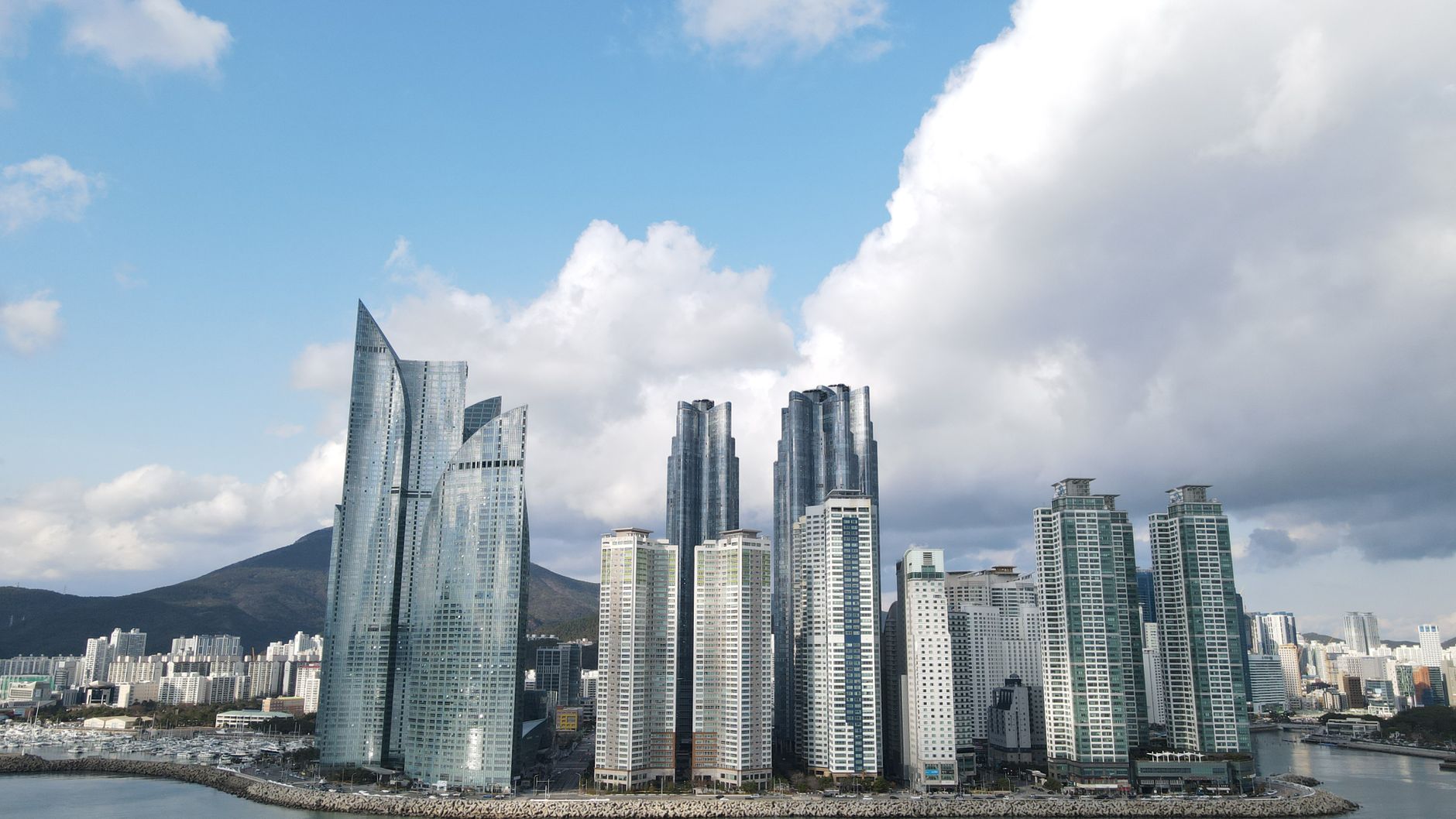
Walking through the streets of Gangnam, it's hard not to notice the myriad of apartment complexes rising alongside traditional homes. In a city with a real estate market as dynamic as Seoul, understanding the nuances of housing options becomes essential, especially for foreigners. Two of the most common rental systems here are jeonse and wolse, each with its own set of rules and financial implications.
What Is Jeonse?
Jeonse is a unique rental system originating from South Korea that can be quite different from what many foreigners are used to. In this arrangement, tenants pay a large sum of money upfront, typically ranging from 50% to 80% of the property's value, as a security deposit. This deposit is then held by the landlord for the duration of the lease, which usually lasts two years.
Financial Implications
One of the most appealing aspects of jeonse is that tenants do not pay monthly rent. Instead, after the lease ends, the full deposit is returned to the tenant, assuming there is no property damage. For example, if you were to rent a two-bedroom apartment in Yeonnam-dong valued at 500 million won (approximately $400,000), you might expect to pay around 250 million won ($200,000) as a jeonse deposit. In contrast, a similar apartment in the more affluent area of Apgujeong could cost upwards of 600 million won ($480,000) for a jeonse contract.
- Pros: No monthly rent, full return of deposit, stable housing situation.
- Cons: Large upfront payment, potential difficulty in finding a landlord willing to offer this option.
What Is Wolse?
On the other end of the spectrum, wolse is more akin to traditional rental agreements that many foreigners might be familiar with. In a wolse arrangement, tenants pay a smaller deposit and monthly rent. The deposit for a wolse lease can vary widely, generally ranging from 10% to 30% of the property's value.
Monthly Payments
Unlike jeonse, wolse tenants are required to pay rent each month, which can range from 500,000 won (about $400) to 2 million won ($1,600) depending on the location and quality of the apartment. For instance, a one-bedroom apartment in Itaewon could cost around 1 million won ($800) per month with a 10 million won ($8,000) deposit. In contrast, a similar apartment in Hongdae with a vibrant nightlife scene might demand a monthly rent of 1.3 million won ($1,040) and a higher deposit of 15 million won ($12,000).
- Pros: Lower upfront costs, flexibility for short-term leases, more options available.
- Cons: Ongoing monthly payments, less financial stability over time.
Choosing Between Jeonse and Wolse
The choice between jeonse and wolse often comes down to your financial situation and how long you plan to stay in Korea. If you're committing to a longer-term stay, jeonse could prove to be a more economical option in the long run. However, for those who prefer flexibility or are planning a shorter stay, wolse may be the best route.
Consider Your Lifestyle
It's also essential to consider your lifestyle and personal preferences. For example, if you enjoy living in vibrant areas like Seongsu-dong, you may find more wolse options, but at a higher price. In contrast, areas like Jongno might offer better jeonse opportunities since they are often home to more traditional housing.
Market Trends
As of late 2023, the real estate market in Seoul has seen fluctuations, largely influenced by government policies and shifting demographics. One notable trend is the rising popularity of jeonse among younger tenants who prefer the stability it offers. With increasing housing prices, many are opting for jeonse to lock in their living situation without the monthly burden of rent.
He paid 200 million won ($160,000) as a deposit for a place valued at around 400 million won ($320,000). The lack of monthly rent has allowed him to save more and invest in experiences rather than just housing expenses.
Practical Steps for Securing Your Lease
Whether you opt for jeonse or wolse, here are some practical steps to streamline your search:
- Research Locations: Spend time in different neighborhoods. Areas like Itaewon are popular among expats, while places like Gangbuk offer traditional Korean charm. You might find that a place in Bukchon Hanok Village gives you a taste of traditional culture, while still being close to modern conveniences.
- Budget: Assess your financial situation. Determine how much you can afford for both upfront costs and ongoing monthly payments. This will help narrow down your options significantly.
- Engage a Real Estate Agent: Look for an agent who specializes in working with foreigners. They can help translate and explain legal terms, making the entire process smoother.
- Visit Apartments: Always visit potential apartments before making a decision. Photos can be misleading, and the atmosphere of a neighborhood is vital. For instance, the bustling energy of Hongdae differs significantly from the more subdued vibes of Gangnam.
- Understand Contracts: Ensure that you fully understand the terms of your contract. Having a bilingual version can prevent misunderstandings. It's also advisable to go over the details regarding maintenance and utility costs, which can sometimes get overlooked.
Common Misconceptions
There are several misconceptions about these rental systems that can lead to confusion for newcomers:
- All landlords prefer jeonse: While many landlords do prefer jeonse for the financial security it offers, plenty of properties are also available for wolse.
- Jeonse is too expensive: While the upfront cost seems daunting, consider the long-term savings from not paying monthly rent. For instance, a jeonse deposit in an area like Sinchon may seem high at first glance, but the overall cost can be lower than a wolse equivalent.
- Wolse contracts are inflexible: Many wolse landlords offer varying lease lengths, making it easier to find an option that suits your needs. Additionally, negotiating terms is common.
Legal Aspects and Security
When renting in Korea, it's important to be aware of the legal protections in place for tenants, especially for jeonse agreements, which can be complex. It’s advisable to get a proper contract, often called a jeonse_contract or wolse_contract, drafted in both Korean and English if possible. Some landlords may insist on only Korean versions, which can be tricky for foreigners.
In addition, consider using a real estate agent who is experienced in working with foreigners. They can help you navigate the market and ensure that your rights are protected. Be sure to inquire about the security deposit law in Korea, which mandates landlords to return deposits in full unless there is evidence of damage.
FAQ
How long does a typical jeonse or wolse lease last?
Most leases in Korea are set for two years, particularly for jeonse. However, wolse leases can be more flexible, allowing for shorter terms depending on the landlord's preferences.
Can I negotiate the deposit and rent?
Yes, negotiating is common in Korea, especially for wolse leases. Landlords may be open to discussing the deposit and monthly rent, particularly if you have a solid financial profile.
What happens if I need to break my lease early?
Breaking a lease in Korea can lead to penalties. Generally, you will need to discuss the situation with your landlord and possibly forfeit part of your deposit. It's essential to communicate early and openly with your landlord.
Are there additional fees I should be aware of?
Yes, additional fees can include a maintenance fee (관리비) that may cover common area utilities and other shared costs. This fee can vary widely, sometimes ranging from 50,000 won ($40) to 200,000 won ($160) per month, depending on the building and location.
Final Thoughts
Moving to a new country is never easy, and navigating the real estate market can be even more challenging. Understanding the nuances of jeonse and wolse is crucial for making informed decisions that align with your lifestyle and financial situation. As you settle into your new home in Seoul, take your time, do your research, and don't hesitate to ask questions. The right choice can lead to a satisfying living experience in this vibrant city.
In my next post, I will discuss finding a reliable real estate agent in Korea, something that can ease the stress of apartment hunting.
Photos by Đỗ Tiến, Rüveyda Akkaya, Jan Židlický via Pexels