Social Media: A Key Driver Behind K-Pop's Global Success
Discover how social media influences the success of K-Pop artists and reshapes the industry from Seoul to the world.
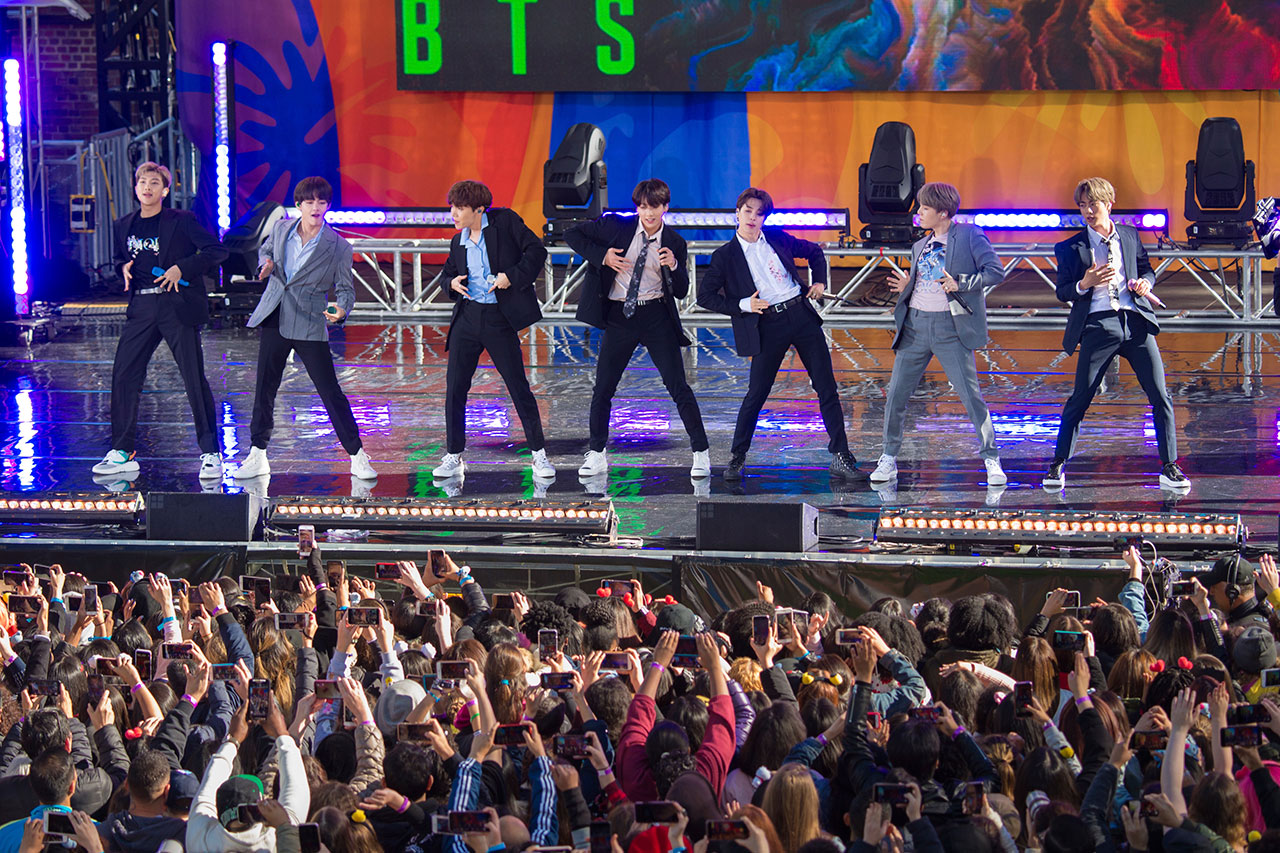
Walking through the streets of Gangnam, it’s impossible to escape the influence of K-Pop. Billboards featuring the latest groups are a common sight, while cafes buzz with fans discussing their favourite idols. Observing the landscape of Seoul, it's clear that social media serves as a powerful platform for artists and their followers. This post explores the role social media plays in K-Pop's success and its implications for the industry.
The Digital Stage
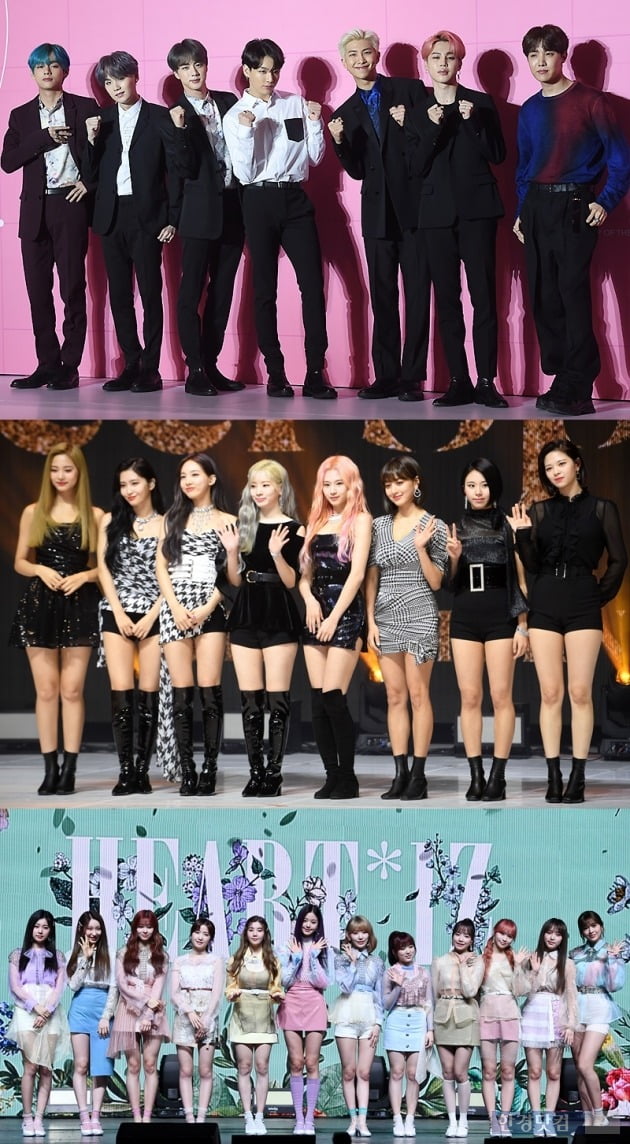
In the past decade, social media has revolutionised the way K-Pop is consumed. Platforms like Instagram, Twitter, and TikTok have become essential tools for artists and companies alike. Groups such as BTS and BLACKPINK have mastered the art of connecting with their audience; their success is a testament to effective online engagement. A significant aspect of K-Pop's appeal lies in its ability to create a strong digital presence.
Fan Interaction and Engagement
Social media allows fans to engage with their idols in ways that were unimaginable before. The immediacy of these platforms means that artists can share updates, behind-the-scenes content, and interact directly with their followers. This level of accessibility fosters a sense of community that was previously absent in the music industry.
- BTS often shares personal messages and updates on their Twitter account, allowing fans a glimpse into their lives. Their #BTSArmy hashtag is a perfect example of how they cultivate a loyal following.
- BLACKPINK uses Instagram Stories to give followers quick updates or showcase their latest outfits and activities, making fans feel they are part of the group's journey.
- Groups like Stray Kids actively involve fans in decision-making processes, asking for their input via social media polls, which further enhances the fans' sense of ownership.
This constant interaction not only keeps fans engaged but also builds loyalty. It’s not just about music anymore; it’s about a lifestyle. The sense of community extends to online fan meets and streaming parties, where fans come together to support their idols in real-time.
Global Reach and Accessibility
Although K-Pop has its roots in South Korea, social media has facilitated its global reach. YouTube is a prime example; many groups release music videos that garner millions of views within hours. With subtitles and translated content, K-Pop is accessible to fans around the world. Local streaming platforms like Melon and global services like Spotify have made it easier than ever for fans to discover new music.
Consider the case of the popular track “Dynamite” by BTS, which rapidly climbed charts globally thanks to its viral status on platforms like TikTok. The song became a cultural phenomenon, leading to its high visibility on streaming platforms and in the charts. Its catchy sound and vibrant visuals resonated with audiences beyond Korea, showcasing how social media can propel a single track to international acclaim.
Viral Challenges and Trends
Viral challenges, often initiated on TikTok, have also contributed to K-Pop's popularity. The choreography for numerous songs becomes a trend, encouraging fans to participate and share their versions. This user-generated content amplifies the reach of songs and engages a wider audience. The interactive nature of these platforms means that fans are not just passive listeners; they actively participate in the promotion of their favorite songs.
- “Savage Love” by Jawsh 685 and Jason Derulo featured a dance challenge that was widely embraced by K-Pop fans, further boosting its popularity.
- ITZY’s “Wannabe” inspired numerous TikTok challenges, pushing the song further into the mainstream and demonstrating how trends can create a surge in streaming numbers.
Through these trends, K-Pop transcends barriers, creating a global community united by music and dance. This phenomenon showcases how a song can become a shared experience, with fans across different cultures engaging in a common activity.
Marketing and Brand Collaborations
Social media is also a powerful marketing tool in K-Pop. Labels often use influencers and trending topics to promote their artists. Collaborations with brands, particularly in the fashion and beauty sectors, are cleverly marketed through social media channels, creating a synergy that benefits both parties.
For example, BLACKPINK’s collaboration with Adidas is visible across various social media platforms, enhancing both the group’s visibility and the brand’s reach. Similarly, Seventeen has partnered with beauty brands, showcasing products on Instagram that resonate with fans. This strategy not only promotes the artists but also capitalizes on their vast fanbases, leading to increased sales and brand recognition.
The Role of Algorithms
The algorithms that power social media platforms significantly influence what content gets seen. Fans often find themselves in echo chambers, where their feeds are filled with K-Pop-related content. This can lead to hype that might not always reflect the true quality of the music or talent. Artists leverage these algorithms to gain visibility, pushing out content that is designed to engage users quickly.
Moreover, as artists strive to stay relevant, they may feel pressured to constantly release content. This often results in a saturation of the market, where not every release has the same impact. The competition for attention is fierce, leading to a cycle of content creation that can dilute the quality of music being released.

Challenges and Criticism
While social media has played a crucial role in K-Pop's rise, it is not without challenges. The relentless pressure on artists to maintain an online presence can lead to burnout, as they struggle to meet the expectations of both their fans and their management. Additionally, negative comments and cyberbullying are rampant, causing significant mental health issues for idols.
Furthermore, the hype surrounding certain comebacks can sometimes overshadow the actual music quality. Some groups experience meteoric rises based solely on social media buzz rather than artistic merit. This can create an environment where talent takes a backseat to marketing prowess.
Overrated Trends
It’s essential to approach K-Pop trends with a discerning eye. Some viral dances or songs might not be as groundbreaking as they seem. The excitement surrounding a new release can create unrealistic expectations. For instance, while the group ATEEZ garners a lot of social media attention, their musical style might not appeal to everyone, even if their online presence is robust.
Moreover, the presence of numerous rookie groups vying for attention can make it challenging for listeners to sift through the noise. With so many releases happening simultaneously, it’s not uncommon for a track to receive hype that doesn't necessarily correlate with its quality. Fans should learn to differentiate between genuine artistic expression and clever marketing strategies.
Looking Ahead
As K-Pop continues to evolve, the role of social media will undoubtedly be reshaped. New platforms will emerge, and trends will change, but the core principle of connection between fans and artists will remain paramount. It will be interesting to observe how upcoming groups will harness these tools in innovative ways and whether the industry will address the well-being of its artists.
The future of K-Pop also invites questions about sustainability in this fast-paced environment. Will companies prioritize mental health over constant content production? What does the next generation of K-Pop artists need to succeed in an increasingly saturated market? These are questions worth considering as the genre continues to gain traction globally.
FAQ
What role does social media play in K-Pop's marketing strategy?
Social media serves as a vital marketing tool for K-Pop artists. Labels use these platforms to engage fans, promote new releases, and create viral content. Collaborations with brands are often heavily marketed through social media, allowing artists to reach wider audiences.
How do K-Pop artists maintain their online presence?
K-Pop artists maintain their online presence by regularly sharing content on platforms like Instagram, Twitter, and TikTok. This includes personal updates, behind-the-scenes looks, and interactive posts that encourage fan engagement. The pressure to stay relevant leads to a consistent output of content.
Are there any negative effects of social media on K-Pop artists?
Yes, the pressure to maintain a strong online presence can lead to burnout among K-Pop artists. Additionally, they often face negative comments and cyberbullying, which can significantly impact their mental health. This is a growing concern within the industry.
What are some examples of viral challenges that have boosted K-Pop songs?
Viral challenges on TikTok, such as the dance for “Savage Love” and ITZY’s “Wannabe,” have significantly boosted these songs' popularity. Such challenges encourage fans to engage with the music creatively, spreading it further.
How can fans differentiate between genuine music and hype?
Fans can differentiate between genuine music and hype by listening critically to the songs, reading reviews, and exploring different artists. Engaging with a variety of content can help clarify what resonates artistically versus what is driven by marketing strategies.
Photos by Magda Ehlers, Wendy Wei, Brett Sayles via Pexels