Understanding aespa’s Drama and Synthetic-Pop Direction with Karina
A thoughtful review of aespa's latest direction, focusing on Karina's role, sound, and the impact of synthetic pop on K-Pop.

Recently, while strolling through the trendy streets of Yeonnam-dong, the excitement in the air was palpable. Groups of fans gathered around cafes and shops, eagerly discussing the latest from aespa. This girl group has swiftly become synonymous with the synthetic-pop trend, and their new direction, particularly with Karina as a centerpiece, merits a more thorough examination.
The Rise of aespa and Their Concept
Aespa debuted in 2020, introducing a revolutionary approach with their unique concept that merges digital and physical realities. The group comprises Karina, Winter, Ningning, and Giselle, each member representing not only their real selves but also virtual avatars. This duality allows them to explore intriguing themes of identity and technology, inviting fans to engage in a narrative that transcends conventional K-pop.
The concept is evident in their music and visual presentations. Aespa's tracks incorporate elements from both the digital and physical worlds, creating a layered storytelling experience. Their debut song, "Black Mamba," set the tone for their innovative direction, and each subsequent release has built on this foundation. The synergy between their real and virtual personas continues to captivate audiences, making aespa a standout in the crowded K-pop landscape.
Drama and the Synthetic-Pop Direction
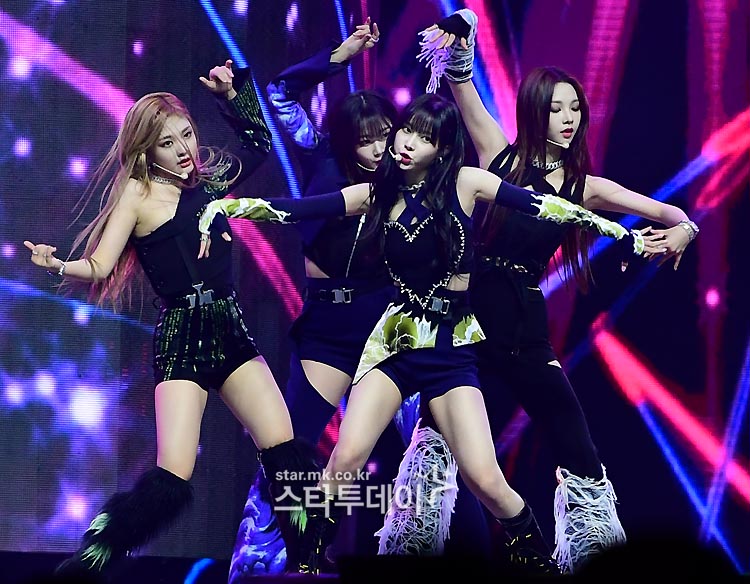
Their latest single, "Drama," marks a definitive shift toward a more pronounced synthetic-pop sound. This genre, which heavily relies on digital production techniques, often feels cold and calculated but undeniably resonates in today’s music landscape. The song opens with a pulsating electronic beat that sets a futuristic tone, and Karina’s vocals glide effortlessly over the meticulously crafted production. The juxtaposition of synthetic elements with her emotionally charged performance speaks volumes about the direction aespa is taking.
Karina as the Centerpiece
Karina's role in this track is particularly noteworthy. She shines in every aspect, from her vocal performance to her stage presence, embodying the emotional weight of the lyrics with a maturity that surpasses her years. It’s clear that her position is not merely as a performer but as a key figure propelling aespa’s story forward.
- Vocal Performance: Karina’s strong, clear vocals cut through the synthetic elements, grounding the song in an emotional reality that many listeners can relate to.
- Stage Presence: During live performances, her charisma and confidence draw the audience in, establishing her as a natural focal point.
- Visuals: The aesthetics of the "Drama" music video highlight her features, using digital effects that enhance her image while maintaining a connection to the song's themes.
The Impact of Synthetic-Pop on K-Pop
Synthetic-pop has emerged as a significant trend globally, and aespa’s embrace of this style reflects a broader shift within the K-pop industry. Observing the Seoul music scene, it becomes apparent that the fusion of technology and music is becoming increasingly common. However, while this trend has its appeal, it's essential to consider whether it sometimes overshadows the raw emotionality that characterizes great music.
Many groups are adopting a more digital sound, often sacrificing warmth and authenticity for polished production. This shift can feel like a double-edged sword. While it pushes the boundaries of what music can be, it may also create a disconnect from listeners' emotional experiences. Aespa’s "Drama" exemplifies this dilemma; while technically impressive, it prompts questions about the balance between artistry and artificiality.
Comparing Synthetic-Pop to Traditional K-Pop
To further illustrate this point, consider the difference between traditional K-pop tracks and the current synthetic-pop wave. Traditional K-pop often features rich instrumentation, heartfelt lyrics, and a more organic sound. Groups like BTS and EXO, known for their emotional ballads and powerful harmonies, have set a benchmark that many fans cherish.
Conversely, synthetic-pop tracks rely on heavy electronic influences, where vocals may sometimes feel submerged beneath layers of production. This style can be compelling, but it risks alienating fans who value emotional connection in music. The growing divide between these two approaches raises important questions about the future of K-pop and how audiences will respond to evolving trends.
Fan Reception and Expectations
The reception to aespa’s new direction has been decidedly mixed. On platforms like Twitter and Instagram, some fans commend the innovation, celebrating the group's ability to push musical boundaries. Others, however, express concern about an over-reliance on synthetic soundscapes, fearing that it could dilute the emotional core of their music. This debate seems central to the identity of K-pop today: how to craft modern music that retains emotional depth amid technological advancements.
A quick sampling of fan discussions reveals various opinions, but one common thread is the engagement level among fans. Many are eager to see how aespa will evolve and respond to critiques while maintaining their innovative edge. The anticipation for future releases is palpable, and it underscores the active role fans play in shaping the narrative.
What’s Next for aespa?
As aespa continues to refine their sound and explore new musical territories, it will be fascinating to observe how they integrate more traditional elements with their synthetic-pop framework. Will they discover a balance that allows for emotional resonance alongside digital innovation? Karina’s central role will likely remain pivotal as they navigate this landscape.
Looking ahead, aespa has the potential to influence the direction of K-pop significantly. They may serve as a bridge between innovation and emotional authenticity, setting a precedent for other groups. As they explore this middle ground, fans can expect to see an evolution in both their music and their storytelling approach.
Final Thoughts
Aespa’s journey through drama and synthetic-pop is reflective of larger trends within the music industry. While there is much to appreciate in their innovation, it is hard to ignore the feeling that the emotional core can occasionally get lost in the chase for technical perfection. Listening to "Drama" leaves one pondering the ongoing challenge of maintaining warmth and connection while embracing a digital future. This exploration will be crucial not only for aespa but also for the genre as a whole.
In my next post, I will take a closer look at how other K-pop groups are attempting to balance digital and traditional sounds in their music, assessing the effectiveness of their approaches and the reactions from fans.
FAQ
What is synthetic-pop?
Synthetic-pop is a genre characterized by its reliance on digital production techniques, often resulting in soundscapes that feel polished and electronic. This style has gained popularity in K-pop, with artists experimenting with technology to create new musical experiences.
How has aespa's concept evolved since their debut?
Aespa began with a focus on blending digital and physical realities through their avatars. As they progressed, they have further explored themes of identity and technology, particularly evident in their songs like "Black Mamba" and "Drama," which showcase a more synthetic-pop sound.
What do fans think about aespa's new direction?
Fan reactions have been mixed, with some praising the group's innovative approach and others expressing concern about the potential lack of emotional depth in their synthetic-pop sound. Discussions on social media reflect a diverse range of opinions as fans engage with aespa's evolving narrative.
What is the significance of Karina's role in aespa?
Karina plays a crucial role in aespa, not only as a performer but as a figure who embodies the group's themes and emotions. Her vocal strength and stage presence are pivotal in conveying the group's narrative and connecting with their audience.
What can we expect from aespa in the future?
As aespa continues to develop their sound, fans can anticipate a blending of traditional musical elements with their synthetic-pop style. This evolution may lead to a unique balance that retains emotional resonance while exploring new technological avenues in music.